
Discover metabolic eating for beginners guide with simple meal timing strategies to boost energy, stabilize blood sugar, and improve metabolism. Learn circadian rhythm eating and when to eat for optimal health.
The 3 PM Energy Crash That Changed Everything
I used to think I was just “not a morning person.” Every day followed the same exhausting pattern: skip breakfast (no appetite anyway), grab sugary coffee around 10 AM, feel okay until lunch, then hit a wall at 3 PM that made me feel like I’d been hit by a truck. The brain fog was so thick I could barely think. By dinnertime at 8 or 9 PM, I’d suddenly feel ravenous and eat everything in sight.
Sound familiar?
My doctor ran tests. Everything came back “normal.” But I felt anything but normal. I was exhausted, gaining weight despite eating “healthy,” and constantly battling cravings.
Then I stumbled across something that changed my life: metabolic eating. Not a diet. Not a restriction plan. But a way of eating that works with your body’s natural rhythms instead of against them.
Within two weeks of following a metabolic eating for beginners guide, my energy stabilized. Within a month, I was waking up naturally before my alarm. Within three months, I’d lost 15 pounds without counting a single calorie, my blood sugar was rock-solid stable, and I felt like a completely different person.
This is that guide. Let me show you exactly what metabolic eating is, why it works, and how to start today.

The Real Problem: Your Eating Schedule Conflicts with Your Body’s Internal Clock
Before diving into solutions, you need to understand why most of us feel terrible.
Your Body Has a Metabolic Rhythm
Every cell in your body operates on a roughly 24-hour cycle called your circadian rhythm. This isn’t pseudoscience—it’s controlled by your genes, hormones, and your brain’s suprachiasmatic nucleus.
Your circadian rhythm controls:
- When you feel hungry or full
- How efficiently you burn fat vs. store it
- Your insulin sensitivity (how well you process sugar)
- Your energy levels throughout the day
- When hormones like cortisol and melatonin are released
Here’s the crucial part: Your metabolism is naturally higher in the morning and decreases throughout the day. Research shows that eating identical meals at 8 AM versus 8 PM produces completely different metabolic responses.
The Modern Eating Pattern Breaking Your Metabolism
Most people eat like this:
- Skip or rush breakfast (or just coffee)
- Light lunch around noon or later
- Snack all afternoon
- Large dinner at 7-9 PM
- Late-night snacking
- Total eating window: 14-16 hours daily
The problem? This pattern is completely backwards from how your metabolism actually works.
Common symptoms of metabolic misalignment:
- Afternoon energy crashes
- Constant hunger and cravings
- Poor sleep quality
- Stubborn weight gain (especially around the middle)
- Brain fog and difficulty concentrating
- Blood sugar swings
I had all of these. And within weeks of adjusting my meal timing, they disappeared.
The Solution: Metabolic Eating for Beginners Guide
Here’s the beautiful thing: metabolic eating isn’t about what you eat (though that matters too), it’s primarily about when you eat. You don’t need expensive supplements or complicated meal plans.
What Is Metabolic Eating?
Metabolic eating (also called chrononutrition or circadian eating) focuses on:
- Meal timing – When you eat throughout the day
- Eating windows – How many hours per day you consume food
- Circadian alignment – Matching food intake with your body’s natural metabolic peaks
The core principle: Eat in sync with your circadian rhythm to optimize metabolism, energy, and health.
The Three Pillars
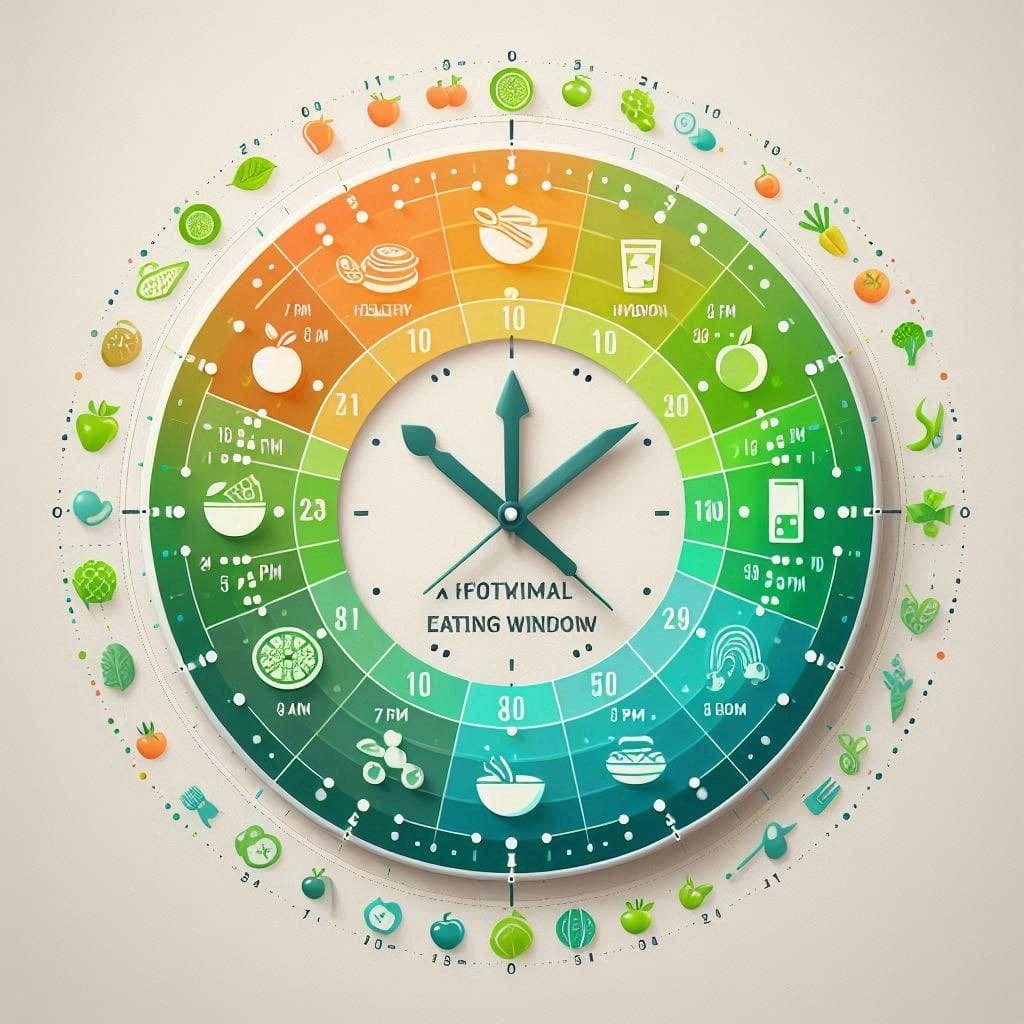
Pillar 1: Early Time-Restricted Eating Consume food in an 8-10 hour window, starting early in the day.
Pillar 2: Front-Load Your Calories Eat your largest meals when your metabolism is highest (morning/early afternoon).
Pillar 3: Extend Your Overnight Fast Give your body 12-16 hours without food overnight for cellular repair and fat burning.
Step-by-Step Implementation: 4-Week Plan
WEEK 1: Establish a Consistent Eating Window
Goal: Create rhythm and consistency.
Action Steps:
Step 1: Choose Your 10-Hour Window
Example windows:
- 7 AM – 5 PM (ideal for early birds)
- 8 AM – 6 PM (good for most people)
- 9 AM – 7 PM (for late risers)
My recommendation: Choose an ending time at least 2-3 hours before bedtime.
Step 2: Track Your Current Pattern
For 3 days, write down your first and last eating times. Most people discover they’re eating for 14-16 hours!
Step 3: Gradually Narrow Your Window
Don’t shock your system. If you currently eat for 15 hours, narrow to 12 hours this week, then 10 hours next week.
During fasting hours, you can have:
- Water (unlimited)
- Black coffee or tea (no sweeteners or cream)
- Herbal tea
WEEK 2: Front-Load Your Calories
Goal: Eat your largest meal early when metabolism is highest.
The Metabolic Eating Calorie Distribution:
- Breakfast: 40% of daily calories (largest meal)
- Lunch: 35% of daily calories (medium meal)
- Dinner: 25% of daily calories (smallest meal)
This is the opposite of how most people eat!
Never Skip Breakfast
Eat within 30-60 minutes of waking. This kickstarts your metabolism and sets your circadian rhythm.
Beginner-Friendly Breakfast Options:
Option A: The Energy Bowl (500-600 calories)
- 2 eggs scrambled with vegetables
- 1 slice whole grain toast with 1/2 avocado
- 1 cup berries
- Black coffee or green tea

Option B: The Power Smoothie (500-600 calories)
- 1 banana, 1 cup berries, 2 tbsp almond butter
- 1 scoop protein powder, 1 cup spinach
- 1 tbsp chia seeds, almond milk
Option C: The Classic (500-600 calories)
- Oatmeal (1 cup cooked) with nuts, seeds, and fruit
- 2 hardboiled eggs
- Greek yogurt
Make Lunch Substantial
Include protein, healthy fats, and vegetables. Template:
- Palm-sized protein (chicken, fish, tofu, beans)
- Large portion of vegetables (half your plate)
- Moderate portion of whole grains
- Healthy fat source (olive oil, nuts, avocado)
Keep Dinner Light
This is the hardest adjustment but most powerful.
Light dinner ideas:
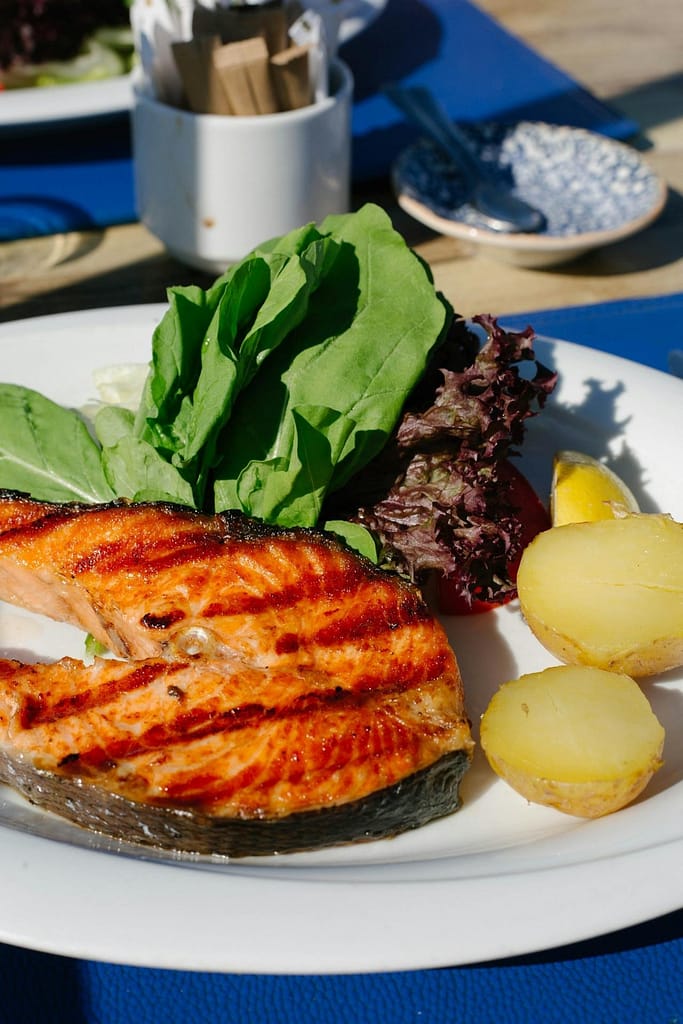
- Grilled fish with roasted vegetables
- Large salad with chicken and quinoa
- Vegetable stir-fry with tofu
- Soup with beans and vegetables
WEEK 3: Optimize Meal Timing
Goal: Fine-tune when you eat for maximum metabolic benefit.
The Ideal Daily Schedule:
6:00-7:00 AM: Wake up, expose yourself to bright light (sets circadian clock)
7:00-8:00 AM: Breakfast (largest meal) – Within 1 hour of waking, high protein, complex carbs, healthy fats
12:00-1:00 PM: Lunch (medium meal) – 4-5 hours after breakfast, balanced plate
3:00-4:00 PM: Optional small snack if truly hungry – Keep it light and protein-rich
5:00-6:00 PM: Dinner (smallest meal) – At least 2-3 hours before bedtime, light and easy to digest
6:00 PM onwards: Fasting begins – No calories until breakfast, hydrate with water
10:00-11:00 PM: Bedtime – Aim for 7-9 hours of sleep
Why this timing works: Your body’s insulin sensitivity is highest in the morning and decreases throughout the day. Eating when insulin sensitivity is high means better blood sugar control, more efficient nutrient storage, reduced hunger, and improved fat burning.
WEEK 4: Add Sequential Eating
Goal: Master the order you eat foods during meals.
Sequential eating means consuming foods in a specific order to minimize blood sugar spikes:
Eating Order:
- Vegetables first (5-10 minutes)
- Protein and fats second
- Carbohydrates last (rice, bread, pasta)
Example: Instead of eating pasta with chicken and broccoli all mixed together, start with the broccoli, move to the chicken, finish with the pasta.
Why it works: Fiber and protein slow down carbohydrate digestion, reducing blood sugar spikes and keeping you fuller longer.
Making Metabolic Eating Work for Your Life
Different Schedule Adaptations
For Early Birds (wake 5-6 AM): Eating window: 6 AM – 4 PM
For Regular Schedule (wake 7-8 AM): Eating window: 7:30 AM – 5:30 PM
For Night Owls (wake 9-10 AM): Eating window: 9:30 AM – 7:30 PM (keep dinner very light)
For Shift Workers: Eat your largest meal after you wake (even if that’s 4 PM), finish eating 2-3 hours before sleep, keep your window consistent.
Social Situations
Dinner with friends at 8 PM? Eat substantial breakfast and lunch, have a small portion at dinner, or adjust your window that day to 10 AM – 8 PM.
Weekend brunch at 11 AM? Make this your “breakfast” (largest meal), have a moderate early dinner.
The 80/20 rule: Aim for metabolic eating 80% of the time. Perfect adherence isn’t necessary for results.
The Science: Why This Works
Your Metabolism Has a Daily Rhythm
Morning (6 AM – 12 PM):
- Highest insulin sensitivity
- Best glucose tolerance
- Elevated metabolism
- Optimal digestion
Afternoon (12 PM – 6 PM):
- Moderate insulin sensitivity
- Good metabolic function
Evening (6 PM – 12 AM):
- Decreased insulin sensitivity
- Lower metabolism
- Body prepares for rest
Night (12 AM – 6 AM):
- Lowest metabolic rate
- Repair and regeneration mode
- Fat burning (if fasted)
What Happens When You Eat Late
When you eat a large dinner at 8 PM:
- Blood sugar spikes when insulin sensitivity is low
- Calories are more likely stored as fat
- Melatonin and insulin interfere with each other (poor sleep + poor metabolism)
- Overnight cellular repair is compromised
- Morning hunger signals are blunted
Benefits of Early Time-Restricted Eating
Research shows:
- Improved insulin sensitivity
- Enhanced fat burning
- Reduced inflammation
- Better sleep quality
- Increased autophagy (cellular cleanup)
- Stable energy
- Natural appetite regulation

Pros and Cons of Metabolic Eating
PROS ✅
- Works with your biology – Supporting natural rhythms, not fighting them
- No calorie counting – Timing itself improves metabolism
- Improved energy and focus – Stable blood sugar = stable energy
- Better sleep quality – Proper digestion before sleep
- Natural appetite regulation – Hunger hormones normalize
- Supports weight loss – Without traditional “dieting”
- Reduces inflammation – Extended fasting periods beneficial
- Flexible and adaptable – Fits different schedules
- No forbidden foods – Just time them appropriately
- Scientifically backed – Extensive research supports it
CONS ❌
- Social challenges – Evening dinners are social time
- Adjustment period – First 1-2 weeks can be uncomfortable
- Early dinners not always practical – Work and family obligations
- Initial hunger – Body needs time to adapt
- Requires planning – Must prioritize breakfast
- Not ideal for everyone – Certain medical conditions require doctor consultation
- Family resistance – May create household tension
- Travel disrupts routine – Time zones affect schedule
- Initial energy dips – Temporary during adjustment
- Requires consistency – Sporadic adherence = sporadic results
Success Tips
Morning Strategies
- Prep breakfast the night before (overnight oats, pre-cut veggies)
- Set two alarms: one to wake, one to eat breakfast
- Start small if needed (just a smoothie, then build up)
Evening Strategies
- Brush teeth after dinner (psychological trick: kitchen closed)
- Find non-food evening activities (walk, tea ritual, reading)
- Drink sparkling water or herbal tea during hunger waves
General Strategies
- Use fasting tracker apps (Zero, Fastic, Life Fasting Tracker)
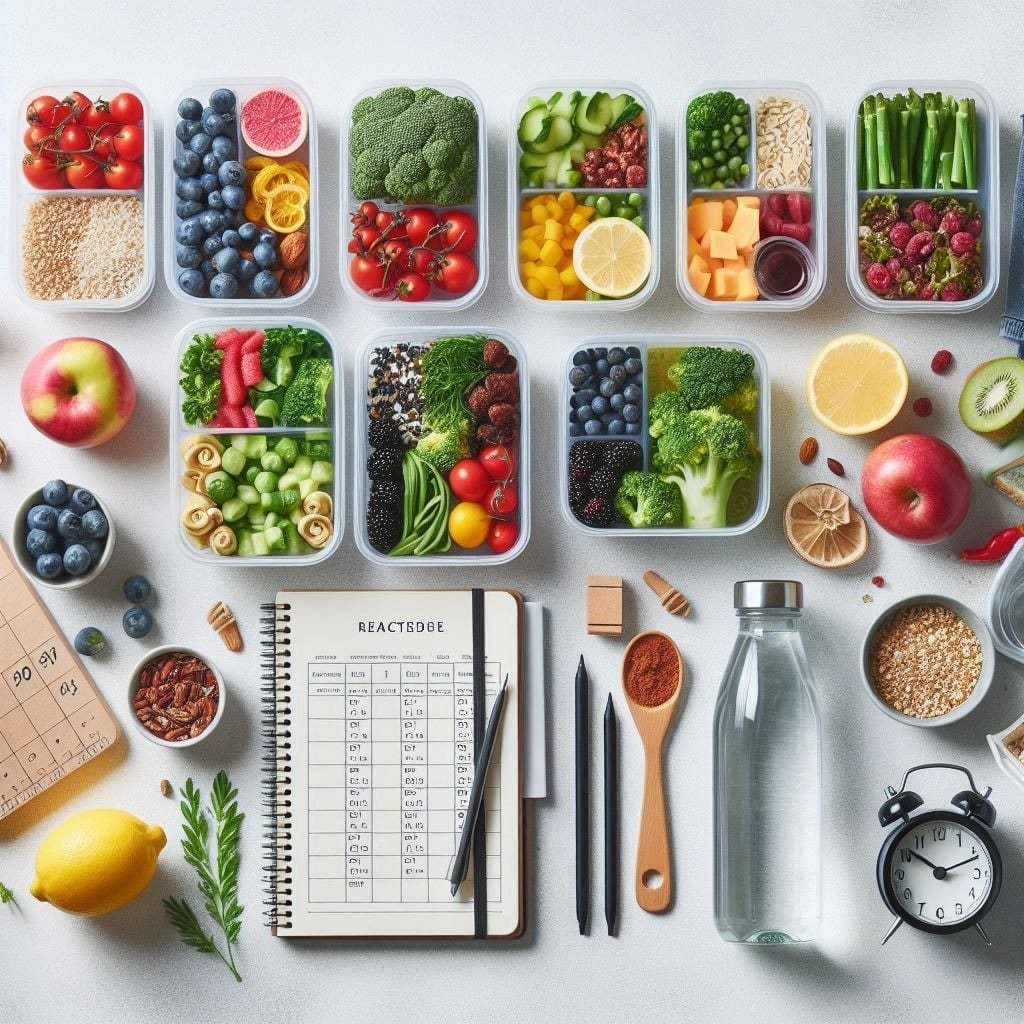
- Meal prep on Sundays (batch cook proteins, pre-chop vegetables)
- Communicate with family, ask for support
- Track how you feel (energy, sleep, hunger, mood)
- Be flexible on special occasions
Sample Day
7:30 AM – Breakfast (600 cal)
- 3-egg veggie omelet with spinach, tomatoes, mushrooms
- 1 slice whole grain toast with avocado
- 1 cup mixed berries
12:30 PM – Lunch (500 cal)
- Grilled chicken breast
- Large mixed greens salad with olive oil dressing
- Quinoa (3/4 cup)
5:00 PM – Dinner (400 cal)
- Baked salmon (4 oz)
- Roasted broccoli and carrots
- Small sweet potato
Total: ~1500 calories in 9.5-hour window
Frequently Asked Questions
Q: Can I drink coffee during fasting?
A: Yes! Black coffee, black tea, and herbal tea are fine. Avoid sugar, milk, or cream.
Q: What if I’m not hungry for breakfast?
A: Common sign of metabolic dysfunction. Start small (smoothie), your appetite will return in 2-3 weeks.
Q: Can I exercise with metabolic eating?
A: Absolutely! Best times: morning (before/after breakfast) or afternoon (2-4 PM). Avoid intense exercise right before bed.
Q: Will I lose muscle?
A: No, if you eat adequate protein (0.8-1g per pound body weight) and strength train 2-3x weekly.
Q: What about night shift workers?
A: Treat your wake time as “morning,” eat the largest meal after waking, finish 2-3 hours before sleep.
Q: Can I combine this with intermittent fasting?
A: Yes! Metabolic eating IS time-restricted eating. Common windows: 16:8, 14:10, or 12:12.
Q: Is it safe for everyone?
A: Consult a doctor if you have diabetes, eating disorders, are pregnant/nursing, or take medications with food.
Q: How long until I see results?
A: Week 1-2: adjustment. Week 2-3: energy stabilizes. Week 3-4: morning hunger returns. Month 2+: noticeable changes.
Q: Can I snack during my eating window?
A: Yes, but minimize. Constant snacking = constant insulin = reduced fat burning. Stick to 2-3 meals.
Q: What if I eat late one night?
A: Don’t stress! Return to normal schedule immediately. One late meal won’t ruin everything.
Conclusion: Start Your Metabolic Eating Journey
Metabolic eating isn’t about restriction or complicated rules. It’s about working with your body instead of against it.
The Core Principles:
- Eat within a consistent 8-10 hour window (ending early)
- Front-load calories (big breakfast, moderate lunch, light dinner)
- Finish eating 2-3 hours before bed
- Be consistent
What You Can Expect:
- Stable, sustained energy
- Improved sleep
- Natural appetite regulation
- Better blood sugar control
- Potential weight loss
- Reduced inflammation
- Enhanced mental clarity
Remember: Start gradually. Be patient. Give your body 2-4 weeks to adapt. Focus on progress, not perfection.
This approach changed my life. The energy crashes? Gone. Insomnia? Gone. The constant hunger? Gone. And it feels effortless now because my body actually prefers eating this way.
Your Next Step
Don’t try to implement everything at once. Pick ONE change for this week:
- Eat breakfast within 1 hour of waking
- Move dinner 1 hour earlier
- Shorten eating window by 2 hours
- Make breakfast your largest meal
- Stop eating 3 hours before bedtime
Just one. Master it. Then add another next week.
Now I want to hear from you: Which metabolic eating strategy feels most challenging for you right now, and what would help you feel confident enough to try it tomorrow morning?
Disclaimer: This article is for educational purposes only. Consult a healthcare provider before making significant dietary changes, especially if you have medical conditions, take medications, or are pregnant/nursing.