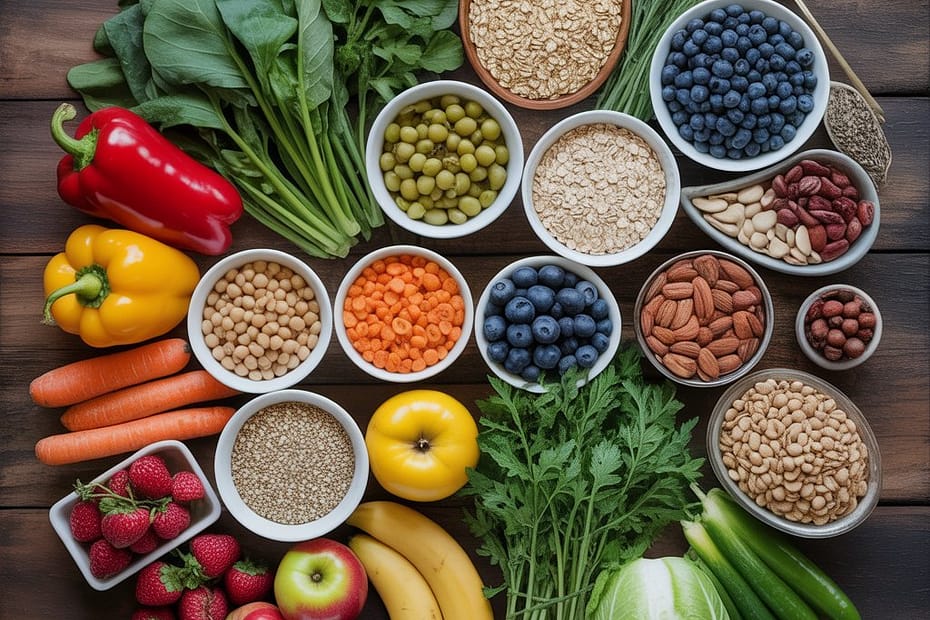
Discover the prebiotic diversity diet plan with our complete guide to eating 30 different plants weekly. Learn microbiome diversity nutrition strategies, gut species enhancement techniques, and fiber variety protocols for optimal digestive health. Transform your gut microbiome naturally.
The Grocery Store Meltdown That Changed Everything
I still remember standing in the produce aisle, exhausted and defeated, staring at the same three vegetables I’d been buying for months—carrots, broccoli, and romaine lettuce. My shopping cart looked identical to last week’s, and the week before that, and honestly, probably the past year. I was eating “healthy”—or so I thought—but I felt anything but healthy.
My digestive system had become a battlefield. Chronic bloating made me look perpetually pregnant by evening. Brain fog rolled in every afternoon like clockwork, transforming me into a zombie stumbling through the latter half of my workday. The constipation-diarrhea rollercoaster was exhausting. And despite eating salads and “being good,” I was gaining weight, craving sugar constantly, and feeling drained of vitality.
Sound distressingly familiar?
My gastroenterologist ran the gamut of tests. Colonoscopy? Clear. Food allergy panels? Inconclusive. Thyroid? Normal range. She diagnosed me with the infuriating catch-all: “functional digestive issues.” Translation: We don’t really know what’s wrong with you, so here are some pills and good luck.
Desperate for answers, I dove deep into emerging gut health research. That’s when I stumbled upon something that seemed almost too simple to work: the prebiotic diversity diet plan. Not a restrictive elimination protocol. Not expensive supplements. Just eating 30 different plant-based foods each week to feed a diverse community of gut bacteria.
I was skeptical. How could simply varying my vegetables possibly address years of digestive misery? But with nothing to lose except my gut dysfunction, I embarked on a 30-plant weekly challenge that would fundamentally transform my relationship with food, my microbiome, and my overall health.
Within three weeks, the bloating diminished noticeably. Within six weeks, my energy stabilized—no more afternoon crashes. Within three months, my digestion normalized for the first time in years, I’d lost the stubborn weight without restricting calories, and I genuinely felt like myself again.
This isn’t a miraculous tale of overnight transformation or some trendy detox. This is about understanding your gut ecosystem’s fundamental needs and giving it the botanical diversity it desperately craves. Today, I’m sharing the exact prebiotic diversity diet plan that revolutionized my gut health, backed by science and proven through personal experience.
The Monoculture Problem: Why Your Gut Is Starving in a Sea of Sameness
Before we discuss solutions, let’s comprehend why most of us unknowingly sabotage our microbiome diversity.
Your Gut Microbiome: An Ecosystem, Not a Uniform Community
Your intestinal tract harbors approximately 100 trillion microorganisms—bacteria, fungi, viruses, and other microscopic entities. This complex ecosystem, termed your gut microbiome, orchestrates far more than mere digestion. It manufactures vitamins, regulates your immune system, produces neurotransmitters affecting mood, controls inflammation throughout your body, and influences everything from weight management to disease resistance.
Here’s the revelation that transformed my understanding: your gut microbiome functions like a rainforest, not a cornfield.
A healthy rainforest teems with biodiversity—thousands of species coexisting in intricate relationships. A cornfield represents monoculture—one crop repeatedly, susceptible to disease, requiring constant intervention.
Most modern diets resemble cornfields. Research reveals that typical Americans consume fewer than 10-12 different plant types weekly, eating the same limited rotation repeatedly. Our gut bacteria are starving for diversity while we mechanically consume identical meals.
The Groundbreaking American Gut Project Discovery
In 2018, researchers analyzed stool samples from over 10,000 individuals across 45 countries, investigating relationships between dietary patterns and gut microbial composition. Their findings were unequivocal and transformative:
Participants consuming 30 or more different plant types weekly possessed significantly more diverse gut microbiomes compared to those eating fewer than 10 different plants.
This wasn’t marginal variation—the difference was substantial. These individuals harbored higher populations of beneficial bacterial species, including Faecalibacterium prausnitzii and Oscillospira, both renowned short-chain fatty acid producers that reduce inflammation and support metabolic health.
Furthermore, the research demonstrated that dietary diversity mattered more than dietary category. A vegan eating only 8 different plants weekly had less microbial diversity than an omnivore consuming 35 varied plants. Variety trumped ideology.
Why Monoculture Eating Devastates Your Gut
Different plant species contain distinct prebiotic compounds—specialized fibers, resistant starches, and polyphenols that nourish specific bacterial strains.
When you consume only carrots, broccoli, and lettuce week after week:
- You feed only bacteria capable of digesting those particular fiber types
- Other beneficial species starve and diminish
- Your microbial ecosystem simplifies and weakens
- You become more vulnerable to digestive disturbances, inflammation, and metabolic dysfunction
Common symptoms of insufficient gut biodiversity:
- Persistent bloating and gas production
- Irregular bowel movements alternating between extremes
- Afternoon energy depletion
- Persistent sugar cravings despite adequate nutrition
- Weakened immune function with frequent illnesses
- Cognitive fog and concentration difficulties
- Unexplained weight fluctuations
- Mood instability and heightened anxiety
- Skin eruptions and inflammatory conditions
I experienced virtually all these symptoms. My gut ecosystem had collapsed into monoculture, and no pharmaceutical intervention could restore the diversity it required.
The Solution: Your Complete Prebiotic Diversity Diet Plan
Here’s the transformative component: implementing a prebiotic diversity diet plan isn’t complicated, expensive, or time-consuming. It simply requires strategic intentionality about botanical variety.
Understanding the 30-Plant Framework
The prebiotic diversity diet plan centers on one straightforward principle: consume 30 different plant-based foods weekly.
What qualifies as a “plant food”?
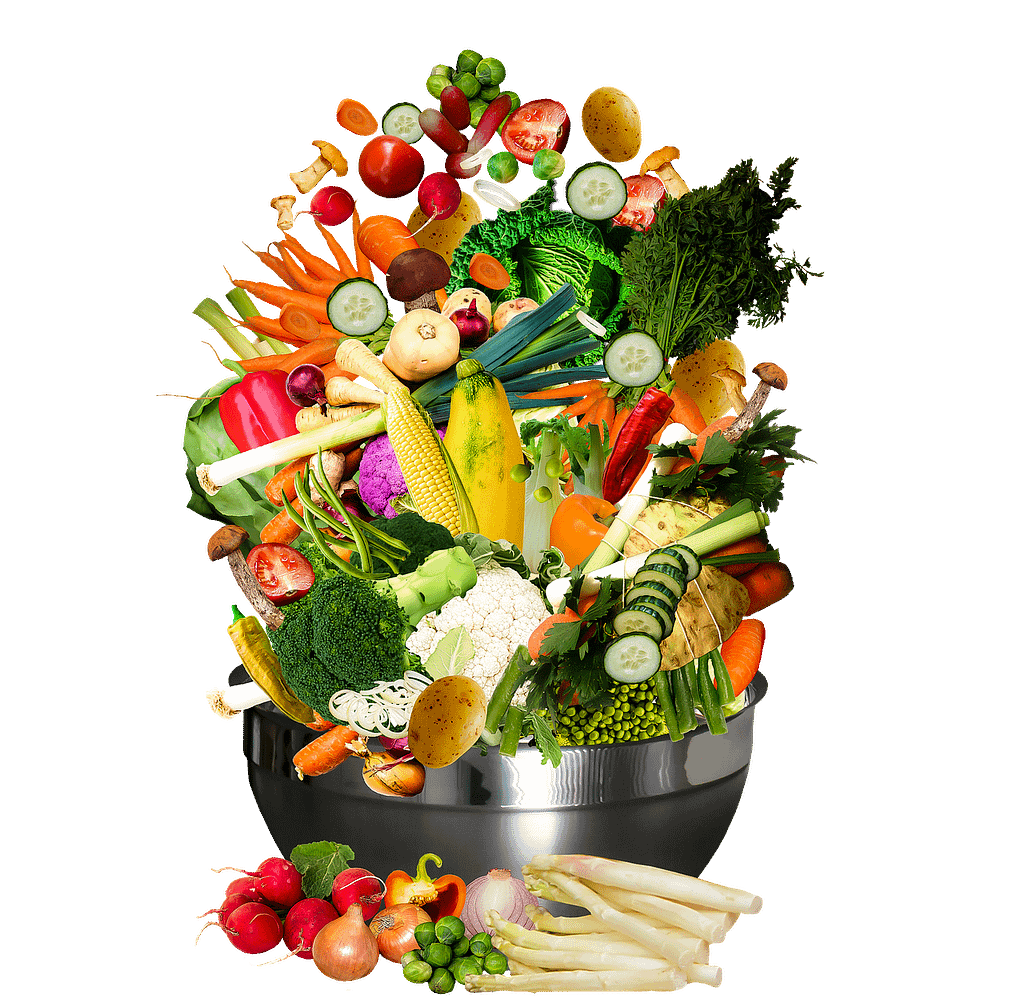
- Vegetables (all varieties—leafy, cruciferous, root, etc.)
- Fruits (fresh, frozen, or dried)
- Whole grains and pseudocereals (oats, quinoa, rice, barley, etc.)
- Legumes (beans, lentils, chickpeas, peas)
- Nuts and seeds
- Herbs and spices (yes, these count!)
- Fermented plant foods
Critical clarification: Each distinct plant species counts once weekly, regardless of consumption frequency. Consuming blueberries daily still equals one plant point. However, raspberries and blueberries count separately.
The 4-Week Implementation Protocol
Don’t attempt overhauling everything simultaneously—that’s overwhelming and unsustainable. Follow this gradual progression:
WEEK 1: Baseline Assessment and Easy Augmentation (Target: 15-18 plants)
Begin by tracking your current dietary diversity. For three consecutive days, document every plant food consumed. Most individuals discover they’re consuming far fewer varieties than imagined.
Immediate action steps:
- Replace single-variety products with mixed alternatives:
- Trade iceberg lettuce for mixed greens (instantly: 4-6 plants instead of 1)
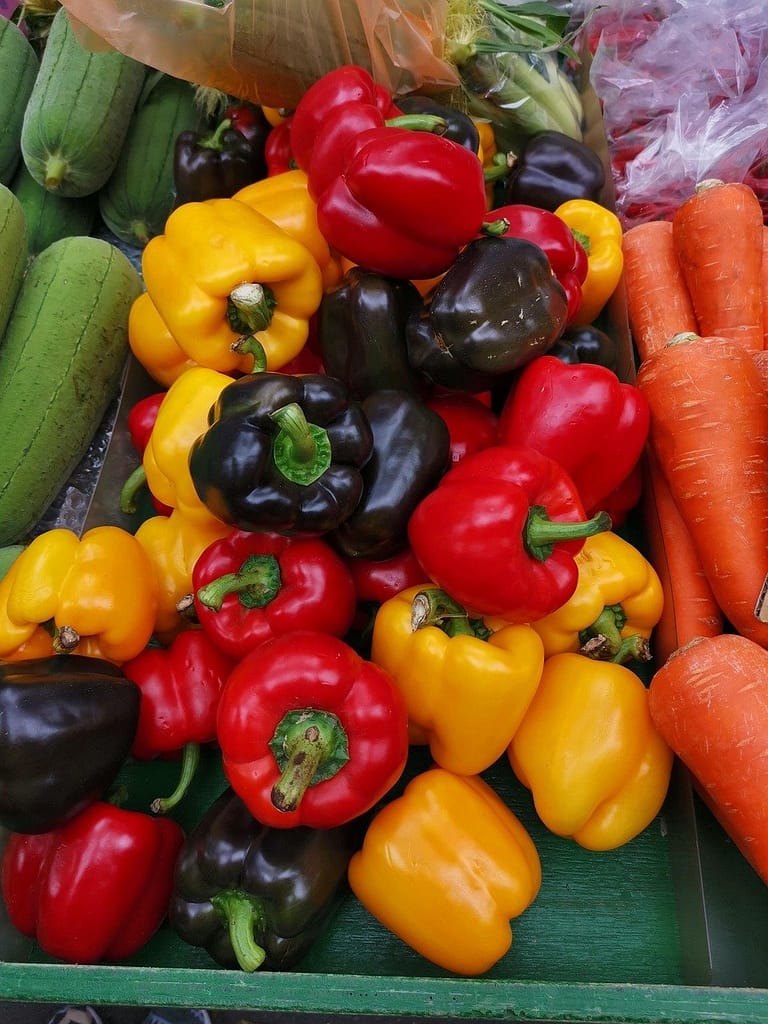
- Purchase mixed bell peppers (red, yellow, orange) rather than solely one color
- Select mixed nuts instead of only almonds
- Choose frozen mixed berries over single-berry bags
- Incorporate herbs and spices liberally:
- Morning oatmeal: cinnamon, nutmeg (2 points)
- Lunch salad: oregano, basil, black pepper (3 points)
- Dinner vegetables: garlic, ginger, turmeric (3 points)
- Suddenly you’ve accumulated 8 additional plants through mere seasoning!
- Enhance each meal with one “bonus” plant:
- Breakfast: Add berries to your standard eggs
- Lunch: Include a new vegetable in your sandwich
- Dinner: Try an unfamiliar side vegetable
WEEK 2: Conscious Expansion (Target: 20-25 plants)
Now that foundational tracking exists, strategically diversify further.
Microbiome diversity nutrition strategies:
Breakfast Amplification:
- Create smoothie diversity: spinach, banana, blueberries, strawberries, chia seeds, flaxseeds, almond butter = 7 plants in one beverage
- Oatmeal transformation: oats, walnuts, pumpkin seeds, raspberries, cinnamon, vanilla = 6 plants before leaving home
Lunch Liberation:
- Buddha bowl methodology: quinoa (grain), chickpeas (legume), kale, tomatoes, cucumbers, red onion, tahini (sesame), lemon = 8+ plants
- Soup sophistication: Vegetable minestrone naturally incorporates 8-12 different plants
Snack Strategy:
- Trail mix: almonds, cashews, pumpkin seeds, dried cranberries, dark chocolate = 5 plants
- Hummus platter: carrots, bell peppers, celery, cucumber with chickpea-based hummus = 5 plants
WEEK 3: The Fiber Variety Protocol (Target: 25-28 plants)
This week emphasizes understanding that different fibers serve different functions—a cornerstone of the fiber variety protocol.
Fiber Categories and Their Champions:
Soluble Fiber (forms gel, feeds specific bacteria):
- Oats, barley, apples, pears, carrots, sweet potatoes
- Benefits: Blood sugar regulation, cholesterol management
Insoluble Fiber (adds bulk, promotes motility):
- Whole wheat, brown rice, leafy greens, nuts, seeds
- Benefits: Digestive regularity, prevents constipation
Resistant Starch (feeds butyrate-producing bacteria):
- Cooked and cooled potatoes, green bananas, oats, beans
- Benefits: Powerful anti-inflammatory effects
Prebiotic Fibers (selectively feed beneficial bacteria):
- Onions, garlic, asparagus, Jerusalem artichokes, bananas
- Benefits: Enhances specific beneficial bacterial populations
Action: Ensure weekly incorporation of all four fiber categories.
WEEK 4: Establishing Sustainable Systems (Target: 30+ plants consistently)
The final week focuses on systematizing dietary diversity so it becomes effortless.
Gut species enhancement diet systems:
The Rainbow Rule: Consume at least one food from each color category daily:
- Red: tomatoes, strawberries, red peppers, beets
- Orange: carrots, sweet potatoes, oranges, pumpkin
- Yellow: bananas, corn, yellow peppers, pineapple
- Green: kale, broccoli, avocado, kiwi
- Blue/Purple: blueberries, eggplant, purple cabbage, blackberries
- White/Brown: onions, garlic, mushrooms, cauliflower
The Rotation Strategy: Never consume identical meals two consecutive weeks:
- Grain rotation: Oats → quinoa → brown rice → barley → farro (repeat)
- Legume rotation: Lentils → chickpeas → black beans → kidney beans (repeat)
- Nut rotation: Almonds → walnuts → cashews → pecans (repeat)
The Freezer Foundation: Stock diverse frozen options eliminating “nothing to eat” excuses:
- Mixed berries, spinach, broccoli, peas, edamame, mixed vegetables
- Frozen inventory dramatically simplifies diversity maintenance
Sample 7-Day Prebiotic Diversity Diet Plan
Here’s a realistic weekly framework achieving 33 different plants while maintaining delicious, satisfying meals:
MONDAY (Plants: 11)
- Breakfast: Oatmeal with blueberries, walnuts, cinnamon, banana (5)
- Lunch: Lentil soup with carrots, onions, celery, tomatoes, garlic (6)
- Snack: Apple with almond butter (2)
- Dinner: Grilled chicken with quinoa, roasted Brussels sprouts, olive oil (2)
TUESDAY (Plants: 9)
- Breakfast: Greek yogurt with strawberries, chia seeds, honey (3)
- Lunch: Spinach salad with chickpeas, cucumber, bell peppers, hemp seeds (5)
- Snack: Orange (1)
- Dinner: Salmon with brown rice, steamed broccoli, lemon (3)
WEDNESDAY (Plants: 8)
- Breakfast: Smoothie with kale, mango, pineapple, flaxseeds (4)
- Lunch: Black bean tacos with avocado, cilantro, lime (4)
- Snack: Mixed nuts (cashews, pecans) (2)
- Dinner: Stir-fry tofu with snap peas, mushrooms, ginger, sesame seeds (5)
THURSDAY (Plants: 10)
- Breakfast: Whole grain toast with peanut butter, raspberries (3)
- Lunch: Quinoa bowl with kidney beans, kale, sweet potato, tahini (5)
- Snack: Pear with dark chocolate (2)
- Dinner: Turkey with wild rice, asparagus, rosemary (3)
FRIDAY (Plants: 9)
- Breakfast: Scrambled eggs with spinach, tomatoes, basil, whole grain toast (4)
- Lunch: Vegetable curry with chickpeas, cauliflower, peas, turmeric, cumin (5)
- Snack: Grapes (1)
- Dinner: Baked cod with farro, green beans, thyme (3)
SATURDAY (Plants: 12)
- Breakfast: Buckwheat pancakes with blackberries, maple syrup, pumpkin seeds (4)
- Lunch: Minestrone soup (tomatoes, beans, zucchini, carrots, pasta, oregano) (6)
- Snack: Hummus with carrots, celery (already counted)
- Dinner: Vegetable stir-fry with edamame, bok choy, red cabbage, cashews (4)
SUNDAY (Plants: 7)
- Breakfast: Chia pudding with kiwi, coconut, vanilla (4)
- Lunch: Lentil salad with beets, arugula, sunflower seeds (4)
- Snack: Popcorn with nutritional yeast (2)
- Dinner: Chicken with barley, roasted eggplant, sage (3)
Weekly Total: 33 Different Plants ✓
Notice how herbs, spices, and strategic combinations effortlessly elevate plant diversity without elaborate meal preparation.

The Honest Truth: Pros and Cons of the Prebiotic Diversity Diet Plan
Let me provide unfiltered transparency about this approach.
PROS ✅
1. Scientifically Validated Not trendy pseudoscience—backed by the largest gut microbiome study conducted, peer-reviewed research, and reproducible results across populations.
2. Non-Restrictive Philosophy No forbidden foods. No calorie obsession. No macronutrient paranoia. Simply adding variety—psychologically sustainable long-term.
3. Comprehensive Health Benefits
- Improved digestive regularity and reduced bloating
- Enhanced immune system resilience
- Better metabolic markers (blood sugar, cholesterol)
- Reduced systemic inflammation
- Improved mental clarity and mood stability
- Natural weight normalization
- Decreased chronic disease risk
4. Budget-Friendly Flexibility Expensive exotic superfoods unnecessary. Frozen vegetables, dried legumes, bulk grains, and seasonal produce make this economically accessible.
5. Family-Compatible Unlike restrictive protocols, everyone benefits from increased plant diversity. No separate meal preparation required.
6. Rapid Microbiome Response Research demonstrates measurable gut microbiome composition changes within 3-4 days of dietary modification. Benefits accumulate quickly.
7. Naturally Increases Nutrient Density Diverse plants provide diverse micronutrients, antioxidants, and phytochemicals—comprehensively nourishing your body.
8. Encourages Culinary Exploration Transforms grocery shopping and cooking from monotonous routine to creative adventure. Discover cuisines, flavors, and ingredients.
9. Environmental Sustainability Dietary diversity typically reduces reliance on industrial monoculture agriculture, supporting biodiversity beyond your gut.
10. Empowering Rather Than Restrictive Focuses on abundance and addition rather than deprivation and elimination—fundamentally different psychological approach.
CONS ❌
1. Initial Planning Investment First few weeks require conscious effort tracking plants, meal planning, and adapting habits. Not instantaneous autopilot.
2. Requires Consistent Tracking Must document consumed plants weekly, especially initially. Some find this tedious (though apps simplify considerably).
3. Social Dining Challenges Restaurant meals and social gatherings may limit control over dietary diversity. Requires adaptability and grace.
4. Potential Food Waste Risk Purchasing numerous produce varieties can lead to spoilage if meal planning inadequate. Strategic freezer usage mitigates this.
5. Initial Digestive Adjustment Dramatically increasing fiber variety may temporarily cause gas and bloating as your microbiome adapts. Gradual implementation essential.
6. Grocery Shopping Complexity Requires more intentional shopping than grabbing familiar items. Slightly longer initially, becomes efficient with practice.
7. Family Resistance Possible If household members prefer dietary monotony, implementing diversity may encounter resistance. Communication and gradual introduction help.
8. Not Immediate Symptom Resolution Severe digestive pathologies may require medical intervention beyond dietary diversity. This supports but doesn’t replace appropriate treatment.
9. Seasonal Availability Fluctuations Fresh plant variety naturally varies seasonally. Frozen, dried, and preserved options maintain year-round diversity.
10. Perfectionism Trap Risk Some become obsessively fixated on achieving exactly 30 weekly, creating stress. Remember: More diversity is beneficial, but 25 is superior to 10—progress, not perfection.
Practical Implementation: Making It Effortless
After two years practicing this approach, here are strategies transforming it from conscious effort to natural lifestyle:
Strategic Shopping Hacks
The “New Plant” Rule: Every grocery trip, purchase at least three items you haven’t consumed recently. Farmer’s markets excel for discovery.
Visual Diversity Scanning: Before checkout, examine your cart. If everything appears monochromatic, you’ve missed opportunities. Aim for rainbow representation.
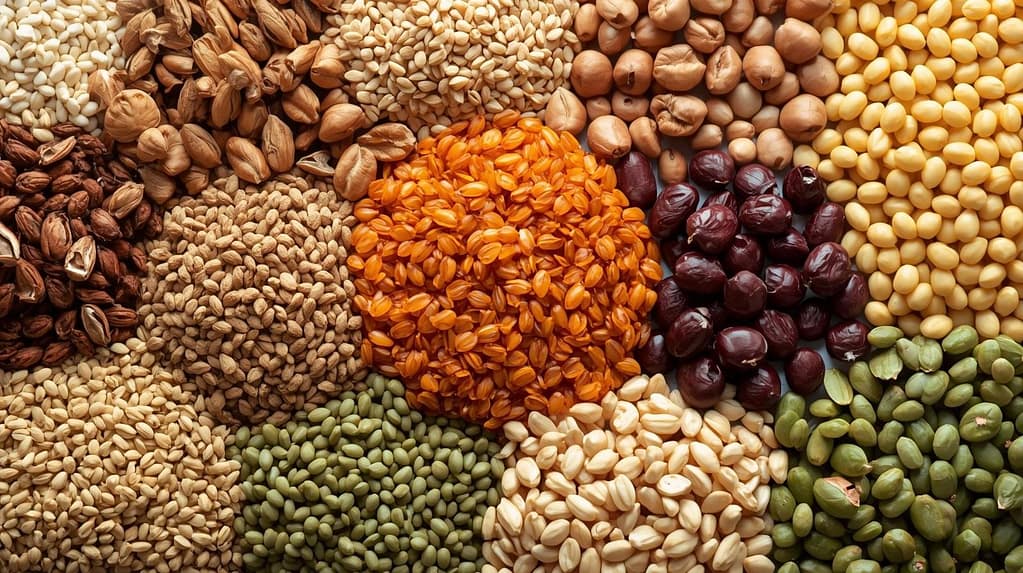
Bulk Bin Brilliance: Purchase small quantities of numerous nuts, seeds, grains, and dried fruits rather than large packages of few varieties.
Frozen Food Freedom: Keep diverse frozen vegetables, fruits, and legumes perpetually stocked—eliminating excuses.
Spice Aisle Exploration: Dedicate one monthly shopping trip to purchasing two unfamiliar spices. Gradually build comprehensive spice collection.
Meal Preparation Efficiency
Sunday Batch Cooking: Prepare three different grains, two legume varieties, and roast diverse vegetables. Mix throughout the week for effortless diversity.
Mason Jar Salads: Layer quinoa, beans, multiple vegetables, nuts, and dressing in jars. Grab-and-go diversity.
Smoothie Freezer Packs: Pre-portion smoothie ingredients in bags (different fruits, greens, seeds combinations). Blend with liquid—instant variety.
Soup as Diversity Vehicle: Large pots incorporating 10-15 plants simultaneously. Freeze portions for convenient future meals.
Tracking Without Obsessing
Weekly Plant Chart: Print simple chart listing 30 spaces. Check off plants as consumed. Visual satisfaction motivates continued effort.
Phone Note Method: Maintain running weekly list. Quick documentation without apps.
Photo Documentation: Snap meal photos throughout the week. Count plants when convenient rather than meal-by-meal.
Frequently Asked Questions
Q1: Do I need to eat organic plants for the prebiotic diversity diet plan to work?
No, organic status doesn’t impact microbiome diversity cultivation. While organic produce may reduce pesticide exposure, conventional produce provides identical prebiotic compounds and fiber variety. Budget constraints shouldn’t prevent implementing this approach—frozen conventional vegetables offer excellent diversity affordably.
Q2: Can I count the same plant multiple times if I eat it daily?
No, each distinct plant species counts once per week regardless of consumption frequency. Daily blueberry consumption equals one plant point. However, different berry varieties (blueberries, raspberries, blackberries) count separately. This encourages genuine variety rather than repetitive consumption.
Q3: Do herbs and spices really count toward the 30?
Absolutely! Research confirms herbs and spices contain potent polyphenols and prebiotic compounds benefiting gut bacteria. Even small quantities contribute. Turmeric, oregano, basil, cinnamon, ginger—all legitimate plant points. This makes reaching 30 considerably more achievable.
Q4: How long before I notice gut health improvements?
Individual variation exists, but typical timeline:
- Week 1-2: Possible temporary bloating as microbiome adjusts
- Week 3-4: Digestive regularity improves, bloating diminishes
- Week 6-8: Energy stabilizes, mental clarity enhances
- Month 3+: Comprehensive benefits solidify—weight normalization, immune resilience, reduced inflammation
Consistency matters more than speed. Your microbiome required years developing current composition; allow weeks for transformation.
Q5: What if I’m traveling or can’t reach 30 some weeks?
Life happens—perfection isn’t requisite. Weeks hitting 20-25 plants still substantially surpass typical American consumption of 10-12. Traveling weeks present challenges, but strategies help: farmer’s markets, grocery store prepared salads, trail mix, diverse restaurant vegetable sides. Resume full diversity upon returning home.
Q6: Can children follow a prebiotic diversity diet plan?
Yes, establishing dietary diversity early cultivates lifelong gut health foundations. Children naturally enjoy variety when introduced playfully. Make it a family game counting weekly plants together. However, ensure adequate calories and macronutrients alongside diversity—growing children require substantial nutrition.
Q7: Will this help with weight loss?
Many experience natural weight normalization without caloric restriction. Mechanisms include:
- Diverse gut bacteria improve metabolic efficiency
- Increased fiber enhances satiety, reducing overeating
- Better blood sugar regulation diminishes cravings
- Reduced inflammation supports healthy weight maintenance
However, this isn’t a “weight loss diet”—it’s a gut ecosystem optimization strategy with weight stability as frequent beneficial side effect.
Q8: Do I need expensive supplements alongside this plan?
Generally unnecessary. Whole food diversity provides comprehensive prebiotic nourishment. Exceptions:
- Probiotic supplements may accelerate beneficial bacterial recolonization initially
- Fiber supplements (acacia, psyllium) can bridge gaps during transitional phases
- Vitamin B12 supplementation for vegans (not plant-derived)
Prioritize whole food diversity; supplements remain optional enhancements, not requirements.
Q9: Can I do this on a vegan or vegetarian diet?
Absolutely—actually easier! Plant-exclusive diets naturally emphasize botanical diversity. Vegans and vegetarians often achieve 30+ plants more readily than omnivores who rely heavily on animal products occupying plate space. Just ensure legumes, nuts, seeds, and diverse grains provide adequate protein and nutrients.
Q10: What if increasing fiber causes uncomfortable gas and bloating?
Common initially—your gut bacteria are adjusting. Mitigation strategies:
- Increase diversity gradually (5-10 plants weekly, not 30 immediately)
- Ensure adequate hydration (fiber requires water)
- Consider digestive enzymes temporarily
- Cooked vegetables generally easier to digest than raw initially
- Reduce cruciferous vegetables (Brussels sprouts, broccoli) temporarily
- Probiotics may ease transition
If severe symptoms persist beyond 4 weeks, consult healthcare provider ruling out underlying conditions.
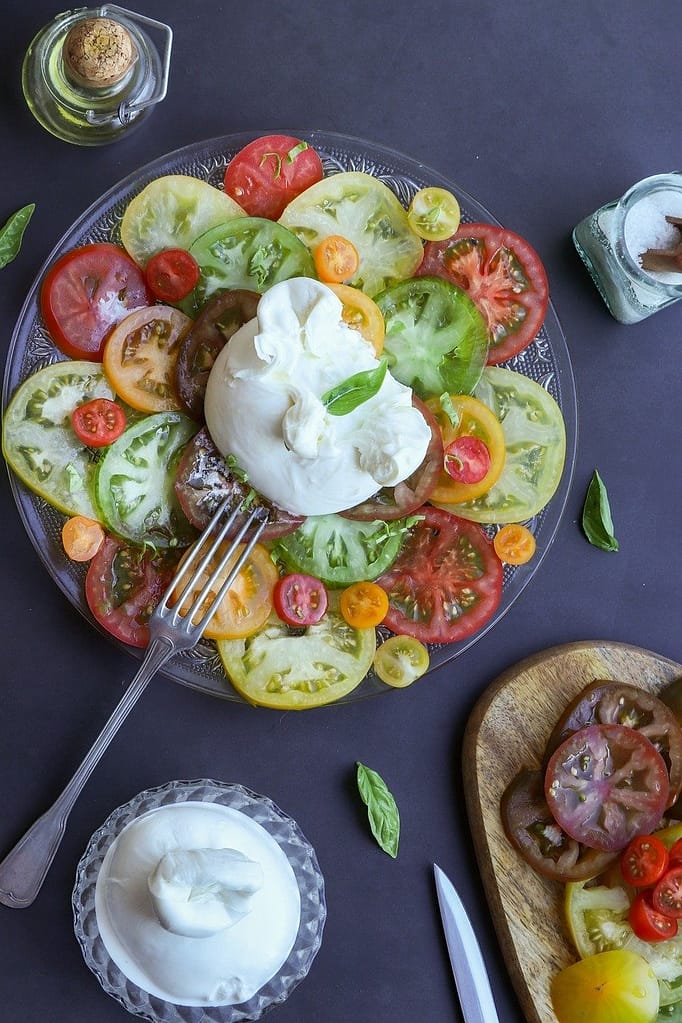
Conclusion: Your Gut Garden Awaits
The prebiotic diversity diet plan isn’t another restrictive dietary protocol demanding willpower and deprivation. It’s an abundance-focused approach recognizing your gut microbiome as an ecosystem requiring biodiversity to flourish.
Think of your intestinal tract as an internal garden. Monoculture gardens—growing only one plant variety—become vulnerable, requiring constant intervention, susceptible to disease. Diverse gardens teeming with varied species create resilient, self-sustaining ecosystems.
Your gut garden has suffered monoculture for too long. It’s time cultivating diversity.
Starting this week:
- Track your current plant diversity (you’ll likely surprise yourself how limited it is)
- Add five new plants you haven’t consumed recently
- Experiment with one unfamiliar herb or spice
- Purchase mixed products rather than single varieties
- Begin your journey toward 30
Remember: Progress supersedes perfection. Twenty plants weekly dramatically exceeds ten. Twenty-five surpasses twenty. Every additional plant species feeds different bacterial communities, expanding your internal ecosystem’s resilience and vitality.
My own transformation from chronically bloated, fatigued, and digestively distressed to energetic, comfortable, and thriving didn’t require pharmaceuticals, extreme elimination diets, or expensive interventions. It required recognizing my gut bacteria were starving for diversity and providing the botanical abundance they craved.
Your microbiome is waiting. Your internal garden yearns for variety. Thirty different plants weekly isn’t overwhelming—it’s an invitation to rediscover food’s incredible diversity while reclaiming your digestive health and overall vitality.
Here’s my question for you: If you committed to tracking your plant diversity for just one week starting tomorrow, what surprising patterns might you discover about your current dietary monotony, and which three new plants feel exciting enough to try?
Disclaimer: This article provides educational information, not medical advice. Individuals with diagnosed digestive disorders, food allergies, or medical conditions should consult healthcare providers before significant dietary modifications. While the prebiotic diversity diet plan benefits most people, individual medical circumstances vary.