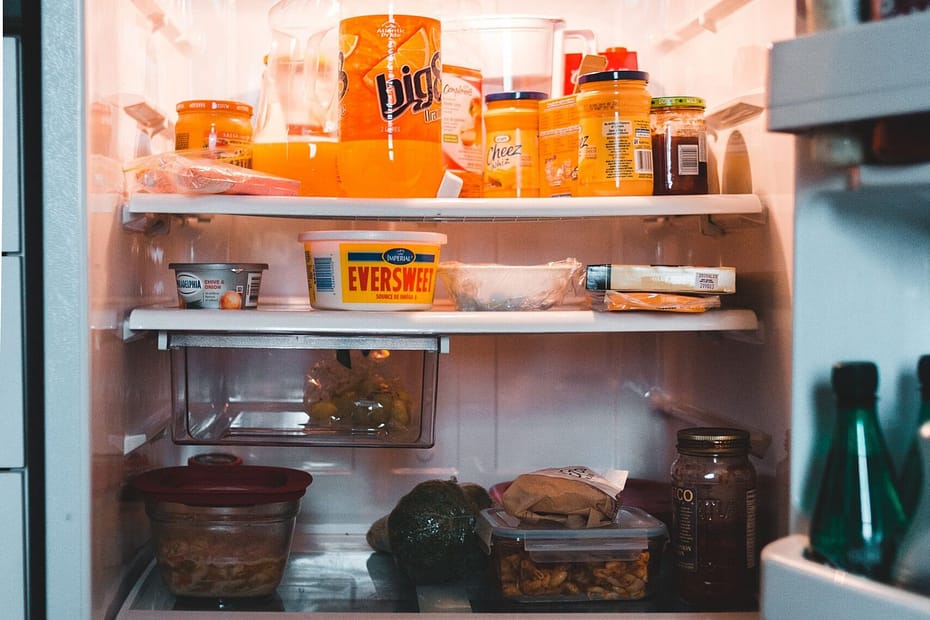
After a long day, it’s tempting to grab something quick from the freezer — but convenience can come with frozen foods hidden with sugars, unhealthy fats, and excess sodium.
Shopping for healthy frozen food doesn’t have to be confusing. With so many colorful packages in the grocery aisle, it’s easy to be misled. This guide gives clear, practical steps so you can take control of your freezer and make smarter choices that support weight loss and better nutrition.
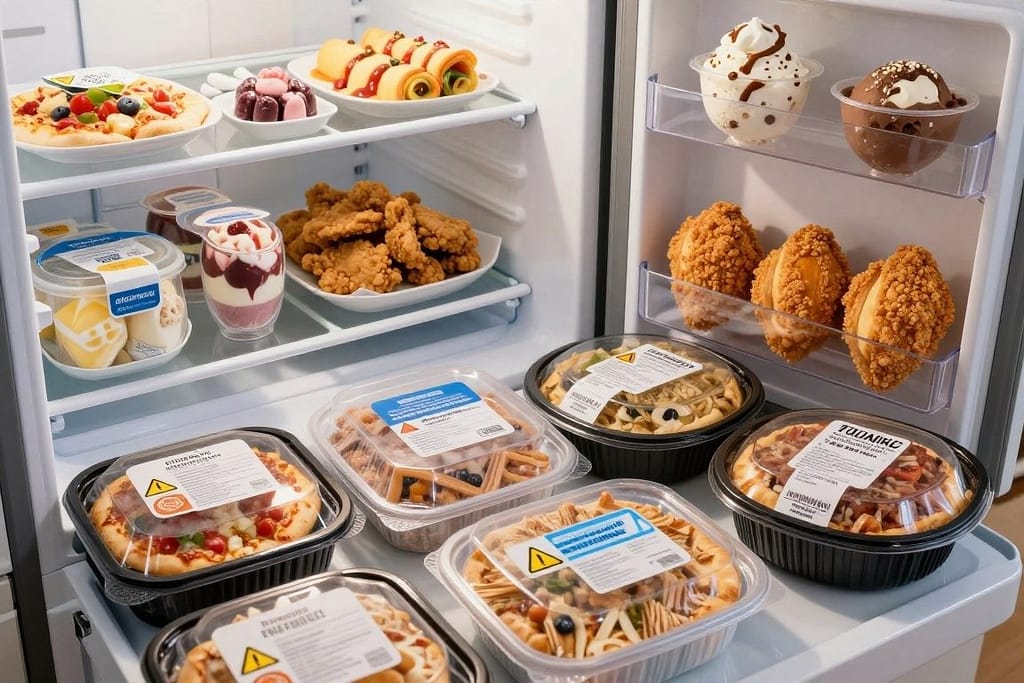
By identifying the most problematic frozen foods and learning what to look for on labels, you’ll be able to pick frozen meals and freezer staples that support your goals. By the end, you’ll know which types of frozen products to avoid and practical swaps to keep on hand.
Key Takeaways
- Prioritize whole ingredients over highly processed convenience meals.
- Scan nutrition labels for hidden sodium and added sugars — they add up fast.
- Choose items with short, recognizable ingredient lists.
- Balance frozen staples with fresh or frozen vegetables and fruits for better nutrition.
- Convenience can support health when you pick the right frozen options.
Understanding the Nutritional Landscape of Frozen Convenience
Frozen meals offer unmatched convenience when life is busy, but convenience alone doesn’t guarantee good nutrition. With a quick scan of the freezer section you can find very different options—some are nutrient-dense, others are highly processed.
Why We Rely on Frozen Meals
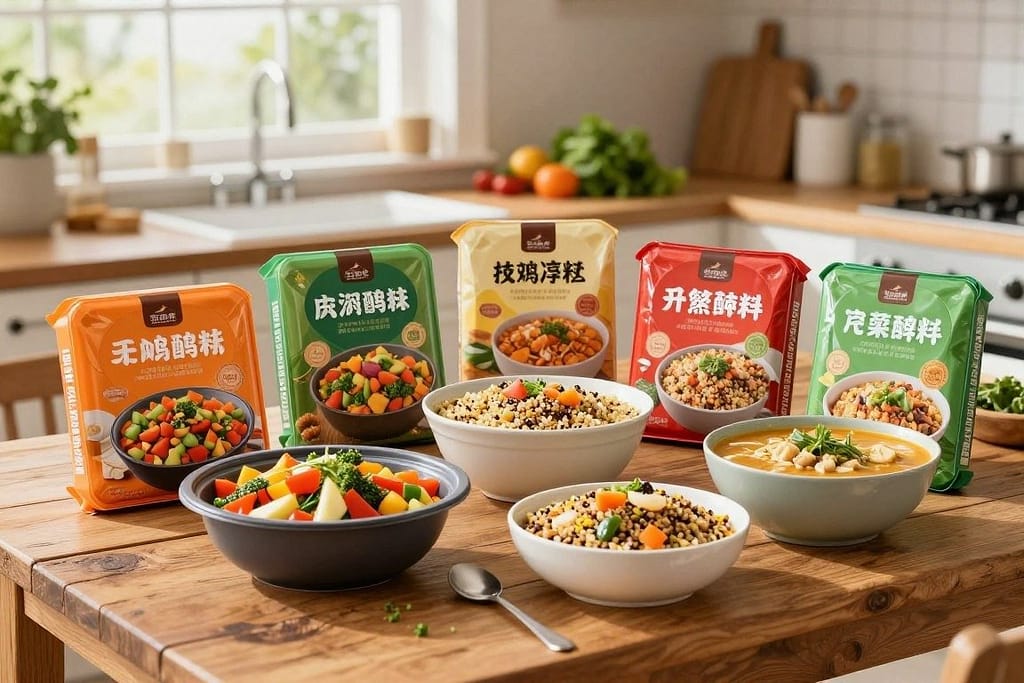
We turn to the freezer because frozen meals save time and reduce cooking prep. The right frozen meals can be ready in minutes and help you avoid last-minute, less-healthy choices.
That said, you still need to pick wisely: a frozen vegetable stir-fry with brown rice and lean protein is a very different nutrition profile than a heavily sauced, breaded entree.
The Evolution of Frozen Food Technology
Freezing methods have improved—flash-freezing at peak ripeness preserves much of the nutritional content in fruits and vegetables, locking in vitamins and minerals. According to food science research and USDA guidance, frozen produce can retain comparable nutrient levels to fresh when handled properly.
Because of these advances, many frozen food options can support a healthy diet when you focus on whole ingredients and reasonable portion sizes.
Identifying Frozen Foods to Avoid for Sustainable Weight Loss
Sustainable weight loss depends on the foods you choose when convenience calls. The freezer aisle contains a mix of options — some supportive, others packed with calories, sodium, and refined ingredients that undermine progress.
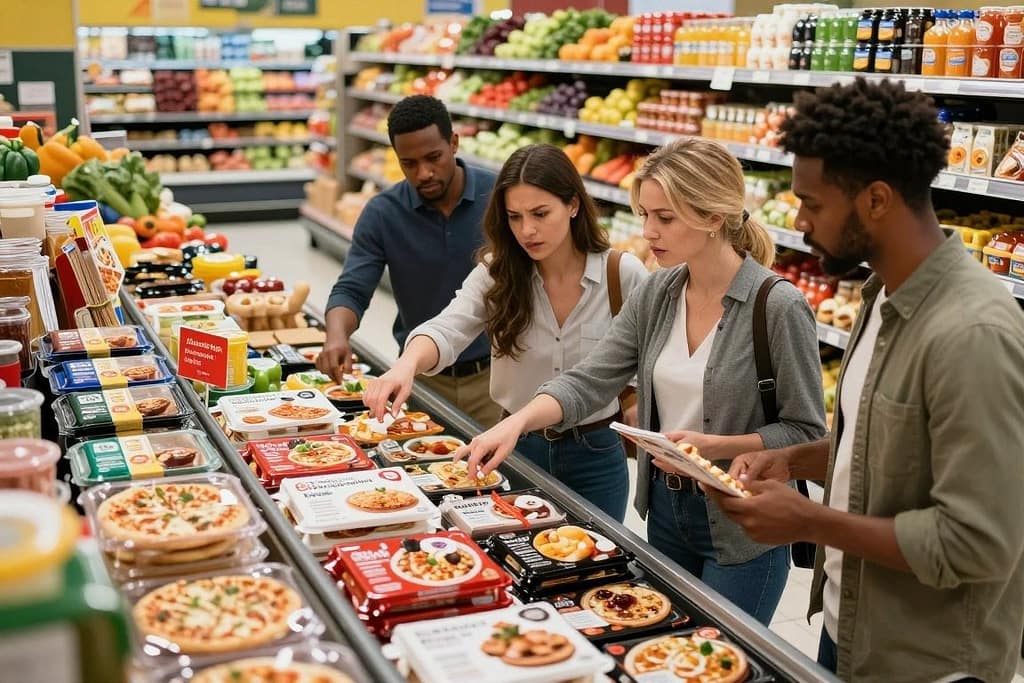
Caloric Density in Frozen Entrees
Not all frozen meals are portion-controlled. Many pre-packaged entrees are calorie-dense because they rely on heavy sauces, cheese, or fried components for flavor. A single boxed meal can range from ~400 to 1,000 kcal — sometimes as much as a large home-cooked dinner.
Example comparisons (approximate):
- Vegetable stir-fry with brown rice and lean protein (frozen): ~350–500 kcal
- Breaded chicken pasta in cream sauce (frozen entree): ~700–1,000 kcal
The Role of Portion Distortion in Frozen Packaging
Packaging often misleads: a box that looks like a single meal may list two servings. Always check “servings per container” and multiply nutrition facts to match how much you’ll actually eat. If the whole box is your portion, double or triple the label numbers accordingly.
Quick in-store checklist for portion control:
- Confirm servings per container.
- Note calories, sodium, and added sugars per serving — then multiply by likely portions.
- Prefer single-serve trays or resealable options when you want exact portions.
Recognizing Empty Calories in Processed Meals
Many processed frozen meals lack fiber and real nutrients, relying instead on refined grains, added sugars, and unhealthy fats. These “empty calories” spike blood sugar, increase hunger soon after eating, and can stall weight loss.
To avoid them, prioritize frozen meals with whole-food ingredients (vegetables, whole grains, lean protein) listed first on the label and minimal added sugars. Choosing better options saves time while supporting your diet goals.
The Hidden Dangers of High Sodium Frozen Foods
Frozen meals are convenient, but many contain far more sodium than you expect. Manufacturers often add salt to boost flavor and extend shelf life, which means some frozen foods pack a heavy sodium load that can undermine health goals.
How Sodium Impacts Water Retention and Weight
Eating too much salt causes your body to retain water, which can lead to bloating and temporary weight gain. High sodium frozen meals can also increase blood pressure and place extra strain on the kidneys — effects you may notice as puffiness or fatigue even if body fat is decreasing.
Recommended Daily Limits for Sodium Intake
Guidelines commonly recommend adults aim for under 2,300 milligrams of sodium per day; many health organizations suggest lower targets for people with hypertension. As a practical rule of thumb, try to choose frozen meals that provide less than 500 mg of sodium per serving when possible — treat this as a guideline for fitting meals into your daily sodium budget.
Simple sodium math: if your daily limit is 2,300 mg and a frozen dinner has 700 mg, you’ve used about 30% of the day’s allowance on that one meal (2,300 − 700 = 1,600 mg remaining).
Identifying High-Sodium Culprits in the Freezer Aisle
Watch out for pasta dishes, pre-marinated meats, frozen pizzas, and many ready-to-eat ethnic-style entrees — these frequently contain much sodium. Compare brands and look for “low sodium,” “reduced sodium,” or “no salt added” claims, and always read the milligrams per serving on the nutrition facts panel.
Quick shopping checklist for lower-sodium choices:
- Prefer plain frozen vegetables and add your own seasonings.
- Choose plain frozen proteins (chicken, fish) over pre-marinated versions.
- Compare milligrams of sodium per serving across similar products.
- Look for frozen meals labeled under ~500 mg sodium per serving when possible.
Analyzing Processed Frozen Meals and Additives
Processed frozen meals save time, but many hide additives and ingredient tricks that reduce nutritional value. Understanding common additives and refined ingredients helps you pick frozen food that supports health instead of undermining it.
Common Preservatives to Watch Out For
Manufacturers add preservatives and stabilizers to processed frozen meals to extend shelf life and maintain texture. Watch for names like sodium benzoate, nitrates/nitrites, and BHA/BHT. While a single ingredient isn’t an automatic red flag, frequent consumption of heavily preserved products may increase exposure to compounds linked to inflammation or other long-term risks—so prioritize simpler ingredient lists when possible.
The Impact of Refined Carbohydrates on Blood Sugar
Many frozen meals rely on refined carbs—white flour, enriched pasta, or corn starch—as cheap fillers. These ingredients raise blood sugar quickly and don’t keep you full. Choosing frozen options with whole grains or added vegetables and balancing meals with protein can blunt spikes and help control appetite.
Understanding Trans Fats and Hydrogenated Oils
Hydrogenated oils and trans fats improve texture and shelf stability but increase cardiovascular risk. Labels can be tricky—products may still contain partially hydrogenated oils even if “0g trans fats” appears on a per-serving basis due to labeling rules. Scan the ingredient list for “partially hydrogenated” to be sure.
| Ingredient TypeCommon ExamplesHealth Impact | ||
| Refined Carbs | White flour, corn starch | Blood sugar spikes; lower fiber content |
| Preservatives | Nitrates, BHA/BHT, sodium benzoate | Potential inflammation or long-term concerns with heavy exposure |
| Unhealthy Fats | Hydrogenated oils, partially hydrogenated oils | Increased cardiovascular risk |
| Lean Protein | Chicken breast, tofu | Higher thermic effect of food (supports metabolism) |
Practical tips: compare nutrition facts across similar frozen meals, favor items with short ingredient lists that start with recognizable foods (vegetables, whole grains, lean protein), and limit frequent consumption of heavily processed frozen meals. Small swaps—like moving from a breaded, pre-fried entree to plain frozen chicken breast—cut additives and improve nutritional content without adding prep time.
Evaluating Frozen Pizzas and Their Nutritional Impact
Frozen pizza is a go-to for busy nights, but many boxed pies are calorie-dense and heavy in salt, saturated fats, and refined carbs. Knowing what to look for helps you enjoy pizza without derailing your nutrition goals.
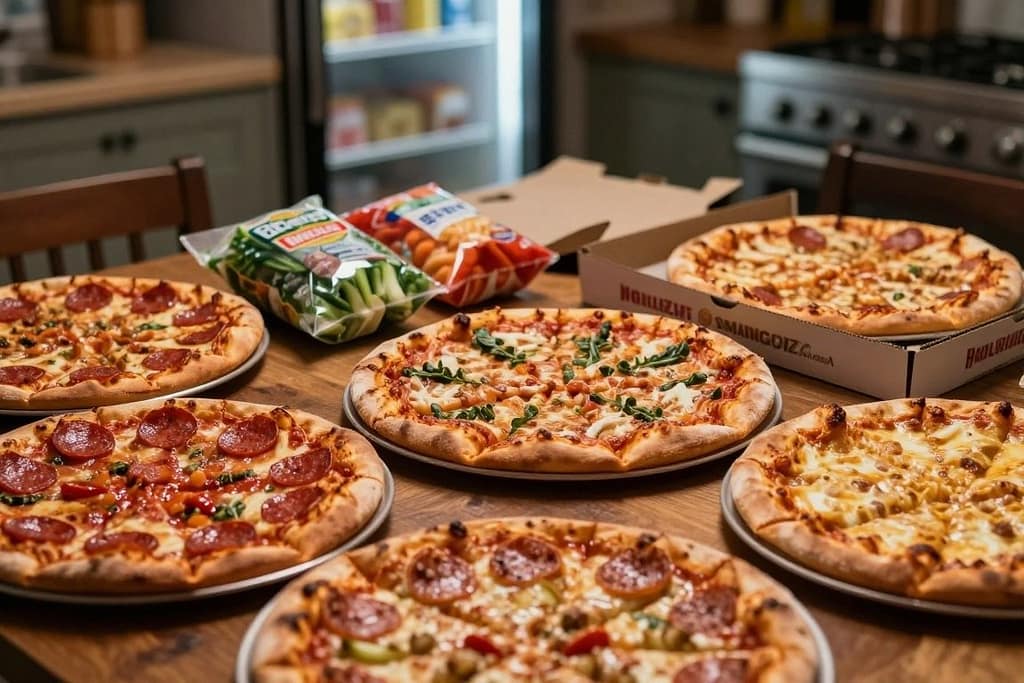
The Problem with Refined Flour Crusts
Most frozen pizza crusts are made from white flour, a refined carbohydrate that can spike blood sugar and provide little fiber. Refined-crust pies are also calorie-dense; frequent consumption makes it easy to exceed daily calorie needs.
Hidden Sugars in Pizza Sauces
Many pizza sauces include added sugars to balance acidity. These sugars contribute extra calories without adding nutrition. When comparing brands, check the nutrition facts for “added sugars” or look for sugar in the ingredient list (sucrose, high-fructose corn syrup, dextrose).
High-Fat Toppings and Processed Meats
Toppings like pepperoni, sausage, and bacon increase saturated fat, total fat, and sodium—nutrients linked to higher risk for heart disease when consumed in excess. Choosing pizzas with mostly vegetables and lean protein lowers fat and sodium load.
Smart swaps and shopping tips:
- Pick thin-crust or whole-grain crusts when available to reduce refined carbs.
- Limit processed meat toppings—opt for grilled chicken, mushrooms, or extra veggies instead.
- Compare sodium and saturated fat per slice on the nutrition facts panel; choose lower numbers.
- Control portions: pair one or two slices with a large side salad or steamed frozen veggies to make a balanced meal.
Assessing Frozen Breaded Proteins and Fried Sides
Breaded and fried items dominate many freezer sections because they’re convenient and familiar—but they’re often among the unhealthiest frozen meals. Heavy coatings, pre-frying, and added breading can dramatically increase calories, unhealthy fats, and sodium compared with plain proteins.
The Hidden Calories in Breading and Batter
Breading and batter are mostly refined flour and starch that add calories without much nutrition. A 4–6 oz portion of breaded, pre-fried chicken can contain 300–600 calories or more depending on the coating and oil content—often far higher than a plain, unbreaded piece of the same weight.
Because the coating soaks up oil during processing, breaded items contribute extra total fat and saturated fats, which raises the calorie density and reduces the meal’s overall nutritional value.
Why Pre-Fried Frozen Foods Hinder Weight Loss
Pre-fried frozen foods are designed to crisp quickly at home, but that convenience usually comes with more fat and calories. These items also tend to be lower in protein per serving and higher in refined carbs, which leads to faster blood sugar swings and earlier return of hunger.
Quick comparison (approximate):
- Breaded chicken tenders (4 pieces): ~420–600 kcal, higher fat and sodium
- Plain frozen chicken breast (4 oz): ~110–160 kcal, lean protein, lower fat
Healthier Alternatives to Breaded Frozen Proteins
Swap breaded items for plain frozen proteins to cut calories and additives without losing convenience. Example swaps:
- Replace breaded chicken nuggets with plain frozen chicken breast (4 oz portion) — bake or air-fry at 375°F for 12–18 minutes until internal temp reaches 165°F.
- Swap pre-fried fish fillets for unbreaded fillets or wild-caught salmon portions — roast or air-fry for a crisp finish without excess oil.
| Protein TypePreparation MethodTypical Calories (est.)Nutritional Value | |||
| Breaded Chicken Tenders | Pre-fried / Frozen | ~420–600 kcal per serving | Higher fat, lower protein density |
| Grilled Chicken Strips | Plain / Frozen | ~110–160 kcal per 4 oz | Lean protein, lower fat |
| Fried Fish Fillets | Pre-fried / Frozen | ~350–550 kcal per serving | Higher fat, processed coating |
| Baked Cod Fillets | Plain / Frozen | ~120–200 kcal per 4 oz | Lean protein, favorable nutrition |
Practical tips: read the nutrition facts for calories, fat, and saturated fat; choose plain proteins when possible; and use an air fryer or oven to get crunch without extra oil. Small swaps—like choosing plain chicken or fish—cut saturated fats and improve the overall nutrition of your frozen meals while keeping prep time low.
Navigating Frozen Breakfast Sandwiches and Pastries
Frozen breakfast sandwiches and pastries save time, but many are high in sodium, added sugars, and refined carbs — a combo that can leave you sluggish before midday. Scanning labels before you buy helps you keep breakfast both quick and supportive of your diet.
The Sodium Content of Breakfast Biscuits
Frozen breakfast biscuits and sandwiches often contain a lot of salt to boost flavor and shelf life. That extra sodium can cause bloating and water retention and may negatively affect blood pressure if eaten regularly.
Sugar Spikes from Frozen Waffles and Pancakes
Frozen waffles and pancakes frequently rely on refined flour and added sugars, which can trigger fast blood sugar rises and crashes. Watch for sugar listed as sucrose, dextrose, maltodextrin, or high-fructose corn syrup in the first few ingredients.
- Avoid products with high-fructose corn syrup or sugar listed in the top three ingredients.
- Scan for hidden sugars: maltodextrin, dextrose, barley malt, and cane juice solids.
- Prefer whole-grain frozen options if you must choose a pastry.
Choosing Protein-Rich Breakfast Options
To stay full until lunch, prioritize protein and healthy fats. Quick, high-protein choices include Greek yogurt with frozen berries, a scrambled-egg bowl using plain frozen veggies, or a homemade breakfast burrito with lean turkey and beans.
Quick swaps to try tomorrow:
- Instead of a frozen biscuit sandwich, have Greek yogurt + frozen berries.
- Swap a syrup-coated waffle for a whole-grain toaster waffle topped with nut butter and fruit.
- Make a 2-minute egg-and-veg scramble using frozen spinach or mixed peppers.
Try one of these 2-minute swaps tomorrow morning to see how much more sustained energy a protein-focused meal provides.
Spotting Unhealthy Frozen Desserts and Sweet Treats
Frozen desserts can feel like a harmless treat, but many are calorie-dense and full of added sugars or artificial ingredients that work against weight-loss and nutrition goals. Knowing which frozen desserts to avoid — and how to enjoy treats in a smarter way — keeps your diet on track.
Sugar Alcohols and Artificial Sweeteners
Lower-calorie frozen desserts often use sugar alcohols (like erythritol or sorbitol) or artificial sweeteners to reduce sugars. While these can cut calories, some sugar alcohols cause digestive upset in sensitive people, and certain artificial sweeteners may increase cravings for sweet tastes. Treat these ingredients as trade-offs rather than automatically “healthy” labels.
High-Calorie Density in Frozen Dairy Desserts
Ice creams and dairy-based frozen desserts pack a lot of energy into small portions because of fat and sugar content. A single scoop can contain 200–300+ calories, and it’s easy to eat several servings before noticing you’ve exceeded your intended intake.
Portion Control for Occasional Treats
You don’t have to give up desserts — focus on portion control and better choices:
- Choose single-serve bars or pre-portioned treats to avoid eating straight from the tub.
- Swap large servings of ice cream for 1/2 cup frozen mixed berries or a single Greek yogurt-based frozen bar.
- Use smaller bowls to naturally limit portions and check the nutrition label to confirm what a “single serving” actually is.
- Avoid frequent use of sugar substitutes if they cause digestive issues or increased cravings.
Simple swaps (e.g., frozen berries with a drizzle of dark chocolate, or a single small frozen yogurt bar) let you enjoy dessert without undoing a day’s worth of good choices.
Strategies for Selecting Clean Eating Frozen Foods
Walking the freezer aisle doesn’t mean you must sacrifice nutrition. With a few selection rules, you can stock your freezer with nutrient-dense options that make healthy cooking faster and keep you away from the worst frozen foods.
Smart choices let you eat well even on the busiest days.
Prioritizing Whole Ingredients
Start with the ingredient list: favor products with short lists that begin with recognizable foods (vegetables, whole grains, lean protein). If a package is full of long, hard-to-pronounce additives, it’s probably more processed than it looks.
Choosing items with fewer ingredients reduces added sugars, excess sodium, and unhealthy fats while increasing the likelihood the product contains real food.
The Benefits of Frozen Vegetables and Fruits
Frozen vegetables and fruits are a reliable way to boost nutrition. They’re typically frozen at peak ripeness, so they retain many essential vitamins, minerals, and fiber — and they’re often more convenient and affordable than fresh. Use them for smoothies, stir-fries, soups, or simple side dishes.
- Convenience: No peeling or chopping required — saves time.
- Longevity: They store for months, reducing waste.
- Versatility: Great for quick meals, smoothies, and sides.
Finding Lean Protein Sources in the Freezer
Keep plain proteins on hand: frozen chicken breasts, turkey, fish fillets, and plant-based options like edamame or tempeh are excellent staples. These items give you high-quality protein without breading, heavy sauces, or added fillers.
When choosing frozen proteins, look for products where the first ingredient is the protein itself (e.g., “chicken breast”), not a batter or marinade full of additives.
| CategoryChoose ThisAvoid This | ||
| Vegetables | Plain frozen broccoli, spinach, mixed veggies | Vegetables in cheese or cream sauces |
| Proteins | Plain grilled chicken breast, wild-caught fish | Breaded chicken nuggets, pre-fried fish sticks |
| Fruits | Frozen berries (no added sugar) | Fruit packed in heavy syrup |
| Grains | Frozen brown rice, whole-grain mixes | Refined pasta in cream sauces |
Print-Friendly Shopping List (6 items)
- Frozen mixed berries (no sugar)
- Frozen spinach or broccoli
- Plain frozen chicken breasts or fish fillets
- Frozen edamame or tempeh (plant protein)
- Frozen brown rice or whole-grain rice packs
- Frozen cauliflower florets (side or rice swap)
These staples cover quick, balanced meals and let you swap heavily processed frozen meals for clean frozen options. Pair them with simple pantry items (olive oil, spices, canned beans) to make fast, nutritious dinners—saving time at grocery runs and keeping your freezer meal options both convenient and healthy.
Reading Nutrition Labels Like a Pro
Knowing how to read the fine print on frozen food boxes is a true game-changer. Front-of-package claims (like “healthy” or “low-fat”) can be misleading — the real story is in the nutrition facts and the ingredient list on the back.
Decoding the Ingredient List
The ingredient list reveals how processed a product is. Aim for short lists that start with whole foods — vegetables, whole grains, or a named protein (for example, “chicken breast”) — rather than long strings of additives. If you can’t pronounce an ingredient, treat it with suspicion.
Prioritize options where veggies, lean proteins, or whole grains appear in the first three ingredients; those items are more likely to be real food and less likely to be fillers or preservatives.
Understanding Serving Sizes vs. Package Sizes
Serving sizes can be deceptive. A package that looks like one meal may actually contain two or more servings — so if you eat the whole box, you must multiply the nutrition facts by the number of servings you actually consume.
Simple 3-step label check before you buy:
- Confirm “servings per container” and compare how much you’ll eat.
- Check sodium and added sugar per serving and multiply by planned portions.
- Scan the ingredient list for whole-food first ingredients and minimal additives.
Spotting Hidden Sugars, Unhealthy Fats, and Sodium
Look for nutrition facts that show low added sugars and reasonable sodium. Many frozen meals contain much sodium to boost flavor and shelf life, so pay attention to the milligrams per serving.
| Label ComponentWhat to Look ForPractical Target | ||
| Sodium | Milligrams per serving | Ideally under ~500 mg per serving (treat as a guideline) |
| Added Sugars | Grams per serving | Aim for minimal added sugars; 0–5 g is preferable |
| Ingredients | First three items | Whole foods listed first (vegetables, proteins, grains) |
| Serving Size | Total servings per package | Match label to actual portion you’ll eat |
Example quick check: if a frozen meal lists 2 servings per container and 600 mg sodium per serving, eating the whole container equals 1,200 mg — over half of the common 2,300 mg daily guideline. Use that math to decide if the meal fits your daily nutrition targets.
Mastering these label skills helps you choose frozen food options that support your nutrition goals instead of hidden traps that can derail progress.
Building a Balanced Freezer Inventory
A well-stocked freezer is a practical shortcut to healthy meals when life gets busy. Keeping the right frozen foods on hand helps you avoid high-sodium, highly processed options and makes it easy to assemble balanced dinners without extra grocery trips.
Stocking Up on Nutrient-Dense Staples
Focus on whole, minimally processed frozen items: berries, mixed vegetables, plain protein portions, and whole-grain rice packs. These staples give you fast building blocks for nutritious meals and reduce reliance on ultra-processed frozen meals that are high in sodium, added sugars, and unhealthy fats.
Suggested freezer staples:
- Frozen mixed berries (no added sugar) — for smoothies or desserts.
- Frozen spinach, broccoli, and mixed vegetables — for stir-fries, soups, and sides.
- Plain frozen chicken breasts, fish fillets, or edamame — lean protein ready to cook.
- Frozen brown rice or whole-grain rice packets — quick grain base.
- Cauliflower florets or riced cauliflower — low-carb side alternatives.
Meal Prepping with Frozen Ingredients
Meal prep with frozen items saves time and simplifies cooking. Combine a portion of plain frozen protein with frozen veggies and a grain for a fast, balanced meal. Keep a few resealable bags of pre-measured ingredients to speed weeknight cooking.
Example quick meal: roast a 4-oz frozen chicken breast, steam a cup of frozen broccoli, and heat a 1/2-cup brown rice packet — seasoned with olive oil, lemon, and pepper for a satisfying dinner in under 20 minutes.
Creating Quick and Healthy Dinners at Home
When shopping, look for frozen meals that list whole ingredients first and contain minimal added sugar or salt. Use the following swaps to replace processed freezer items with healthier alternatives that are still quick to prepare.
| CategoryProcessed AlternativeHealthy Freezer Swap | ||
| Protein | Breaded chicken nuggets | Plain frozen chicken breast |
| Vegetables | Creamed spinach | Frozen spinach or kale |
| Sides | Fried potato wedges | Frozen cauliflower florets or riced cauliflower |
| Dessert | Sugar-loaded ice cream | Frozen mixed berries or a single-serve yogurt bar |
Freezer Organization and One-Week Plan (Quick)
Organize shelves by category (proteins, veggies, fruits, grains) and label dates to reduce waste. Here’s a simple one-week plan using freezer staples plus pantry basics:
- Day 1: Grilled frozen chicken + steamed broccoli + brown rice.
- Day 2: Stir-fry with frozen mixed vegetables, tofu/edamame, and whole-grain rice.
- Day 3: Baked fish fillet + cauliflower mash + side salad.
- Day 4: Grain bowl with frozen roasted veggies, plain chicken, and avocado.
- Day 5: Quick soup with frozen spinach, canned beans, and whole-grain pasta.
- Day 6: Frozen berry smoothie + Greek yogurt for breakfast, simple chicken wrap for dinner.
- Day 7: Leftover-based dinner — combine remaining proteins, veggies, and grains.
These strategies reduce time spent cooking and grocery shopping while keeping your freezer stocked with nutritious, low-additive options. When you need a quick meal, you’ll have balanced choices ready to go.
Conclusion
For lasting weight loss and better nutrition, prioritize protein, whole ingredients, and practical choices over restrictive rules. Rather than chasing short-term diets, build a sustainable approach where your freezer supports healthy meals and saves time.
Choosing clean eating frozen foods — plain proteins, frozen vegetables and fruits, and minimally processed meals with short ingredient lists — makes balanced eating convenient. Look for products that list whole ingredients first and avoid those heavy in added sugars, saturated fats, and excess sodium.
Treat your freezer as a tool: stock it with nutrient-dense options so you can assemble quick, satisfying meals without relying on highly processed convenience foods. A thoughtful freezer inventory helps you eat well even on your busiest days.
Audit your freezer this week using the 3-step checklist below to spot and replace the worst frozen foods with better frozen meal options.
3-Step Freezer Audit (Do it now)
- Scan packages and pull any items where the first three ingredients are additives, fillers, or sugars (these are the “worst” frozen foods to keep).
- Check the nutrition facts for sodium, saturated fat, and added sugars — if a single serving provides ~500 mg+ sodium or high saturated fat, consider a swap.
- Replace problem items with plain frozen proteins, frozen vegetables, or single-ingredient fruits to simplify healthy cooking and lower exposure to additives.
FAQ
How does the freezing process impact the nutritional profile of our food?
Freezing locks in many vitamins, minerals, and fiber when produce is frozen at peak ripeness, so frozen vegetables and fruits can retain strong nutritional content. However, many prepared frozen meals add sodium, fats, and other additives that change the overall nutrition of the meal.
What are the primary frozen foods to avoid if we are focused on sustainable weight loss?
Avoid highly processed, calorie-dense frozen meals: breaded and pre-fried entrees, heavily sauced pasta dishes, and ultra-processed frozen dinners that list long ingredient lists and many additives. These items often have high calories, saturated fats, and sodium, which make sustaining a calorie-controlled diet harder.
Why is high sodium such a significant concern in the freezer aisle?
Many frozen meals contain a lot of sodium to preserve flavor and shelf life. Excess sodium can cause water retention and bloating, may mask fat loss on the scale, and contributes to higher blood pressure over time. Checking milligrams per serving helps you control daily sodium intake.
Which ingredients make certain options the worst frozen foods for our health?
Ingredients to avoid or limit include partially hydrogenated oils (trans fats), excessive added sugars (sucrose, high-fructose corn syrup), long lists of preservatives/additives (BHA/BHT, nitrates), and refined fillers that appear before whole-food ingredients. These contribute to poorer nutrition and may increase long-term health risks.
Why is frozen pizza often listed among the frozen dinners to avoid?
Frozen pizzas commonly combine refined flour crusts, added sugars in sauces, processed meats, and high sodium — a mix that raises calories, saturated fats, and sodium per meal, increasing the risk of negative effects on heart health when consumed frequently.
Are breaded proteins and fried sides really that detrimental to our goals?
Yes, breaded and pre-fried frozen items tend to be higher in calories, total fat, and saturated fats compared with plain proteins. Choosing unbreaded options and using an air fryer or oven reduces added fat while keeping quick preparation times.
What should we look for when choosing a healthy frozen breakfast?
Choose breakfasts with protein and whole grains, and watch sodium and added sugars. Swap heavily processed breakfast sandwiches or syrup-coated waffles for Greek yogurt with frozen fruit, egg scrambles with frozen veggies, or whole-grain options with nut butter.
How can we enjoy frozen desserts without ruining our nutritional progress?
Practice portion control and pick single-serve or fruit-based options. Choose smaller portions, swap to 1/2 cup frozen berries or a single Greek yogurt-based bar, and avoid eating directly from large tubs to limit excess calories and added sugars.
What are the best frozen meals for those following a clean eating lifestyle?
Look for frozen meals and frozen food options with simple, recognizable ingredients (vegetables, lean proteins, whole grains) and minimal additives. Stock your freezer with plain frozen veggies, fruit, and unseasoned proteins to make clean frozen meals quickly at home.
How can we master reading nutrition labels to identify frozen dinners to avoid?
Always check serving size, nutrition facts, and the ingredient list. Multiply per-serving values by the number of servings you’ll actually eat, compare sodium and saturated fat across options, and prioritize products where whole ingredients appear first.
What is the most effective way to build a healthy, balanced freezer inventory?
Keep a mix of plain frozen proteins (chicken, fish), frozen vegetables and fruits, whole-grain rice or grain packets, and a few minimally processed frozen meals with short ingredient lists. This combination saves cooking time and gives balanced meal options while limiting additives and excess sodium.