
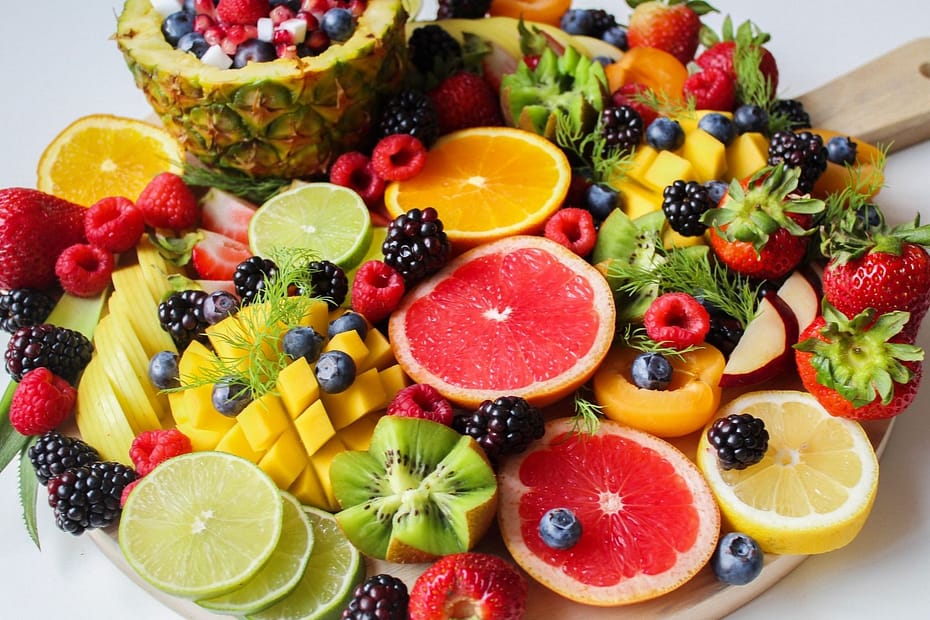
Ever thought about if your food is making you tired instead of full of energy? Many of us feel tired and uncomfortable without knowing it’s because of what we eat. Making a change starts with what you put in your cart.
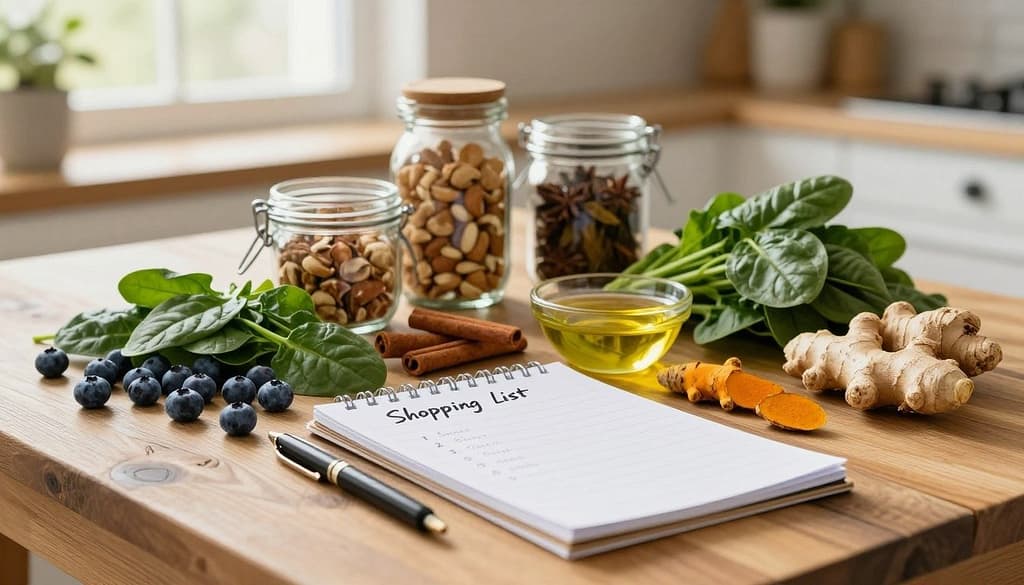
Choosing the right foods can really help your health. Our Anti inflammatory shopping list makes shopping easier and smarter. This guide shows you how to pick foods that help your body fight off sickness. Let us guide you through the supermarket with confidence.
Key Takeaways
- Identify foods that trigger internal stress and fatigue.
- Learn how to select nutrient-dense ingredients for better health.
- Simplify your weekly grocery routine with a structured plan.
- Boost your daily energy levels through smarter food choices.
- Empower yourself to make sustainable, long-term wellness decisions.
Understanding the Science of Inflammation
To truly master our health, we must first decode the intricate science behind how our bodies react to stress and injury. Inflammation is a natural, protective response designed to help us heal from physical trauma or infection. But, this process becomes a significant concern when it shifts from a temporary fix to a permanent state.
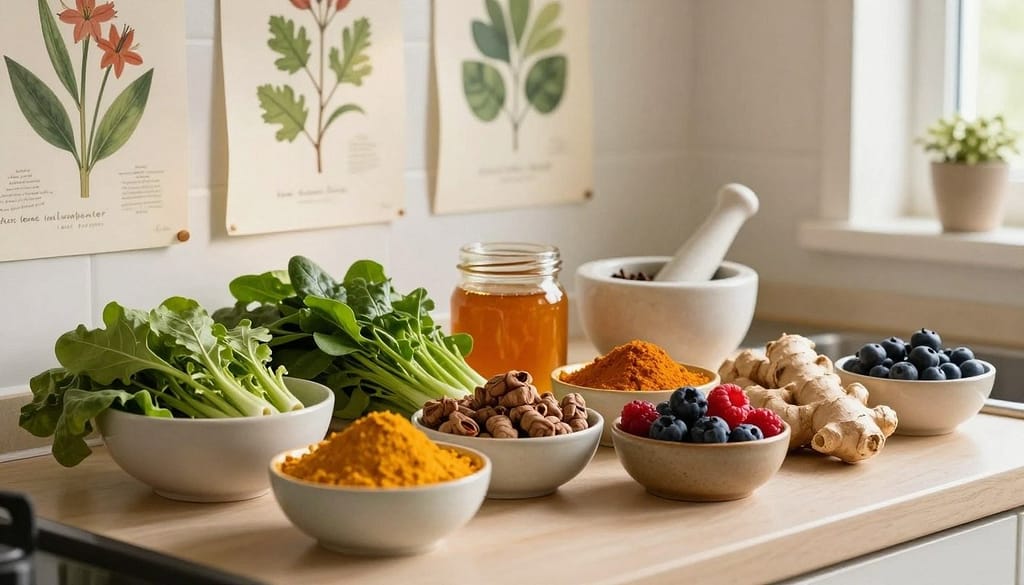
How Chronic Inflammation Affects Your Body
Chronic inflammation is a state of persistent immune system activation. Unlike the acute response that heals a cut, this low-grade, long-term reaction can damage healthy tissues over time. When the body remains in this state, it creates an environment where serious health issues thrive.
Research consistently links this systemic issue to several major health challenges. If left unmanaged, it can contribute to the development of:
- Heart disease and arterial damage.
- Type 2 diabetes and insulin resistance.
- Various forms of cancer.
- Metabolic syndrome and weight management difficulties.
The Role of Diet in Managing Systemic Inflammation
We often overlook the fact that our daily choices act as signals to our immune system. What we consume can either fuel the fire of systemic distress or help to dampen it. By being mindful of the foods for inflammation we choose, we can take control of our internal environment.
Adopting a strategy focused on nutrient-dense options is essential for long-term wellness. Incorporating inflammation fighting foods into your routine helps provide the body with the antioxidants and phytonutrients it needs to regulate immune activity. Ultimately, your plate serves as one of the most powerful tools you have to support your body’s natural healing processes.
Preparing Your Kitchen for an Anti Inflammatory Lifestyle
Starting an anti-inflammatory lifestyle means checking your pantry first. Before you shop, get rid of unhealthy foods. This makes it easier to eat better.
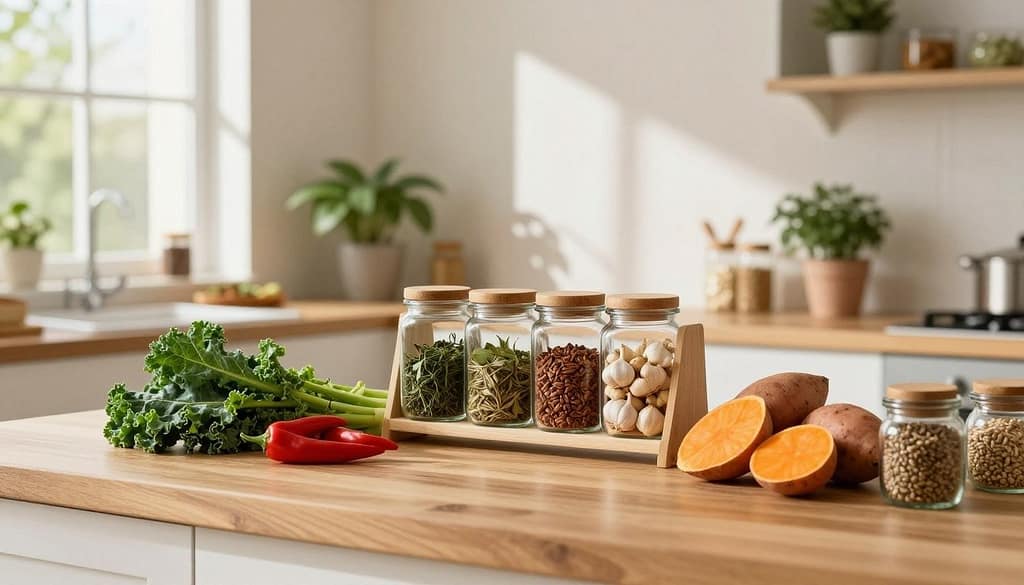
Conducting a Pantry Audit
Take everything out of your cupboards and put it on the counter. Look at the labels for added sugars, artificial stuff, and bad oils.
Sort your items into three piles: keep, donate, and throw away. Keep whole foods like lentils or nuts. Toss processed foods and things you can’t read.
Removing Pro-Inflammatory Triggers
Bad foods can harm your gut and turn on inflammation genes. Getting rid of these foods helps you make better choices.
Consistency is key in cleaning up your space. This helps you make healthy choices every day. Use the table below to find better options.
| Category | Pro-Inflammatory Item | Anti-Inflammatory Alternative |
| Sweeteners | Refined White Sugar | Raw Honey or Stevia |
| Cooking Fats | Soybean or Corn Oil | Extra Virgin Olive Oil |
| Snacks | Potato Chips | Roasted Chickpeas |
| Grains | White Flour Pasta | Quinoa or Brown Rice |
Building Your Anti Inflammatory Shopping List
Shopping becomes easier with an anti-inflammatory diet grocery list. A clear plan helps you avoid unhealthy choices. This way, you stick to foods that help your body.
Categorizing Your Grocery Needs
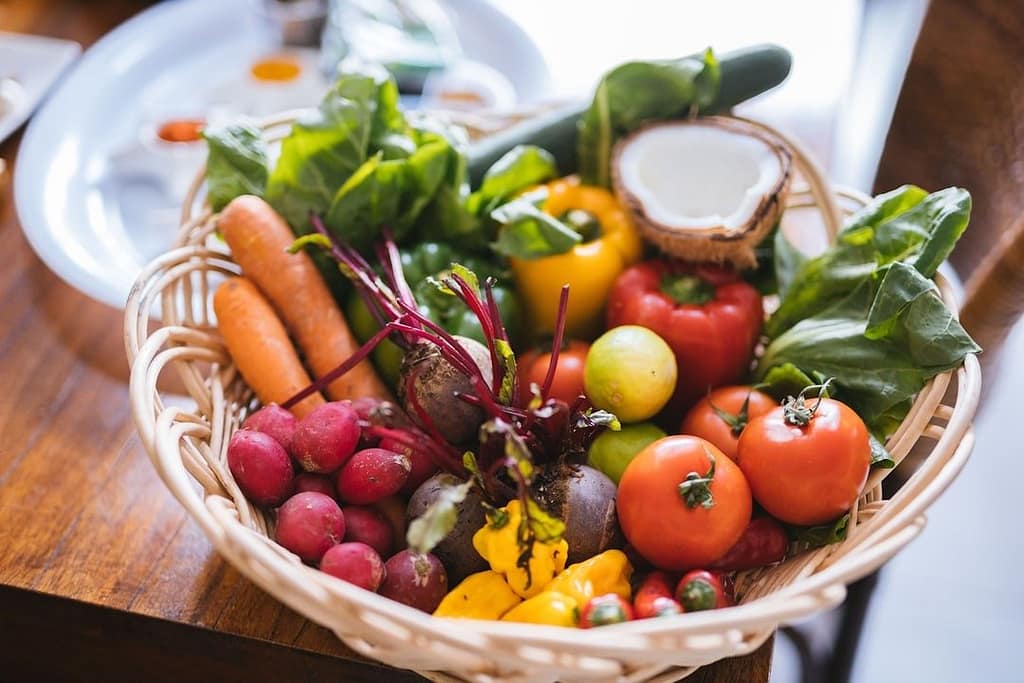
Grouping items by department makes shopping faster. This method helps you focus on healthy foods. The Mediterranean and DASH diets are great for a balanced life.
Your anti-inflammatory shopping list should have three main parts: produce, proteins, and pantry items. This keeps you focused on good foods. Here’s a simple way to organize your shopping:
| Category | Primary Focus | Goal |
| Produce | Leafy greens, berries, cruciferous veggies | High antioxidant intake |
| Proteins | Fatty fish, legumes, nuts, seeds | Omega-3 fatty acid support |
| Pantry | Whole grains, spices, healthy oils | Stable energy and flavor |
Prioritizing Organic and Whole Food Options
Whole foods give you more vitamins and minerals. Organic produce has fewer harmful chemicals. Look for labels that show food quality and origin.
Choosing whole food options lets you control your diet. Avoid foods with long lists of ingredients. Consistency is key in making these changes. Start by replacing one processed item with a whole food each week.
Selecting the Best Produce for Inflammation Reduction
Nature gives us colorful fruits and veggies to heal from inside. By picking a rainbow of fresh produce, we get natural anti-inflammatory foods for wellness. These foods help our bodies work well.
Choosing Nutrient-Dense Leafy Greens
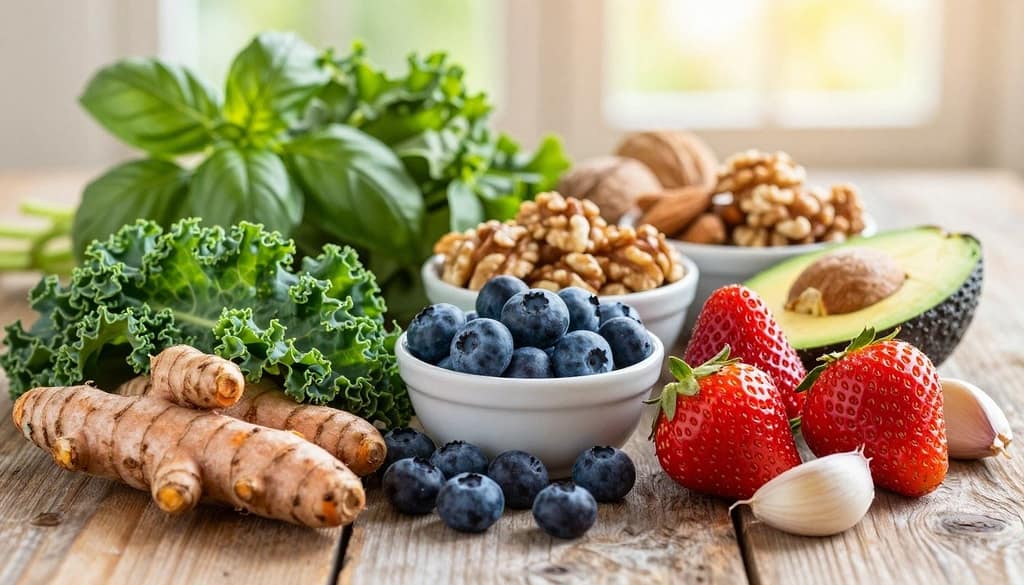
Leafy greens are key for less internal stress. Kale, spinach, and Swiss chard have lots of vitamins and minerals. Choose crisp, bright greens and avoid wilted ones.
Eat your greens soon after buying. Freshness is key for keeping enzymes and nutrients. Adding greens to meals boosts your health.
The Power of Berries and Colorful Fruits
Berries are very powerful in the produce section. Blueberries, strawberries, and raspberries fight off harmful free radicals. These molecules damage cells if not stopped.
Why Pigmentation Matters for Antioxidant Levels
Bright colors in produce mean high antioxidants. Anthocyanins in berries and carotenoids in orange veggies protect cells. Eating different colors gives wide protection.
Choose firm, brightly colored fruits for the most benefits. Eating these natural anti-inflammatory foods regularly keeps you healthy. Remember, consistent eating is key for lasting health.
Incorporating Healthy Fats and Proteins
We often forget how important good fats and proteins are. They help our cells fix and grow. These natural anti-inflammatory foods are key for a healthy life.
Sourcing Omega-3 Rich Fatty Fish
Fatty fish are the best anti-inflammatory foods. They have omega-3s that stop inflammation in our blood.
Try to eat cold-water fish like salmon, mackerel, and sardines often. They give us EPA and DHA, good for our heart and less swelling.
Selecting Plant-Based Fats and Proteins
For plant-based fans, seeds and legumes are great. Flaxseeds and chia seeds have omega-3s that help us feel good.
Adding these seeds to lentils or chickpeas gives us all amino acids. These natural anti-inflammatory foods keep us full and fight inflammation.
Benefits of Extra Virgin Olive Oil and Avocado
Healthy fats and oils are key for vitamins and cell protection. Extra virgin olive oil has oleocanthal, like pain meds but natural.
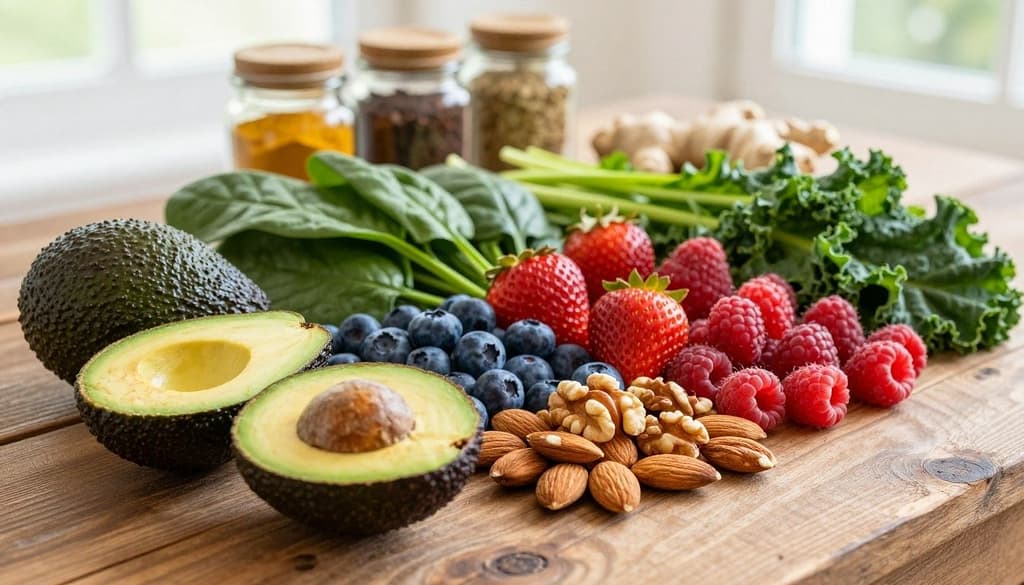
Avocados are full of good fats and fiber. They’re great for our hearts. Adding them to salads or toast boosts our health.
| Food Source | Primary Nutrient | Key Benefit |
| Wild Salmon | Omega-3 Fatty Acids | Reduces systemic inflammation |
| Extra Virgin Olive Oil | Polyphenols | Supports cardiovascular health |
| Avocado | Monounsaturated Fats | Improves nutrient absorption |
| Flaxseeds | Alpha-linolenic Acid | Promotes cellular repair |
Essential Anti Inflammatory Herbs and Spices
Start making healthy dishes by choosing the right anti-inflammatory herbs and spices. These ingredients are powerful but often ignored. A good spice rack can make any meal better and tastier.
Utilizing Turmeric and Ginger in Daily Cooking
Turmeric and ginger are spices that fight inflammation. Curcumin in turmeric is known for its health benefits. Add black pepper to make it work better in your body.
Ginger adds a nice flavor to stir-fries and smoothies. Here’s how to use these anti inflammatory herbs:
- Add fresh ginger to your morning tea or warm water.
- Put turmeric in soups, stews, or roasted veggies.
- Make golden milk with turmeric, ginger, and cinnamon.
Adding Flavor with Garlic and Rosemary
Garlic and rosemary are packed with health benefits. Garlic has compounds that fight stress. Rosemary has rosmarinic acid, a strong antioxidant.
Using these anti-inflammatory herbs helps you avoid bad sauces and salt. Roasting veggies with rosemary and garlic is tasty and healthy. It makes every meal better for you.
Navigating Pantry Staples and Whole Grains
Having the right food in your kitchen makes it easy to eat healthy. Keep your pantry stocked with anti-inflammatory herbs and whole grains. This way, you can make healthy meals even when you’re busy.
Identifying Anti Inflammatory Legumes and Seeds
Legumes like lentils, chickpeas, and black beans are great for your health. They have soluble fibers that help your gut. This helps lower body inflammation.
Don’t forget to have chia, flax, and hemp seeds in your kitchen. They add healthy fats to your meals. Adding them to soups or salads boosts your nutrition.
Choosing Ancient Grains Over Refined Carbohydrates
Refined carbs can make your blood sugar go up too fast. This can make your body inflamed. Instead, use ancient grains like quinoa and farro.
These grains give you energy slowly. They keep you full and focused. Eating them with veggies and anti-inflammatory herbs helps your body heal. This simple change helps keep your body healthy.
Foods to Avoid for Better Health
We often focus on adding good stuff to our diet. But, it’s also key to know what to avoid. Many common foods in American pantries can harm us. Learning to spot these can help us choose the best anti-inflammatory foods for our health.
Identifying Hidden Sugars and Processed Ingredients
Simple carbs and added sugars can cause inflammation. They make blood sugar go up fast, leading to stress. Always check nutrition labels, as sugars are often hidden under names like high-fructose corn syrup.
Processed meats like deli slices and sausages have nitrates and lots of sodium. These can make inflammation worse. It’s better to eat fresh, whole proteins to stay safe.
Understanding the Impact of Refined Vegetable Oils
Refined vegetable oils like soybean and sunflower oil are everywhere. They have a lot of omega-6 fatty acids. Too much of these can cause inflammation.
We should use healthier oils instead. Here’s a list of things to cut down on:
- Refined grains: White bread, pasta, and pastries.
- Processed meats: Hot dogs, pepperoni, and pre-packaged deli meats.
- Sugary beverages: Sodas, energy drinks, and sweetened fruit juices.
- Industrial seed oils: Canola, cottonseed, and soybean oils.
By cutting down on these, we make room for better foods. Making these small changes helps us avoid foods that harm us. Sticking to these choices helps us feel our best.
Planning Your Weekly Anti Inflammatory Meal Plan
We think being consistent is key to feeling good and managing inflammation. By organizing your kitchen, you make healthy eating easy and stress-free. A good anti-inflammatory meal plan helps you know what to eat every day.
Planning your week helps you avoid junk food. This way, you can make sure your kitchen has the right foods. Your pantry will always have what you need.
Structuring Meals for Sustained Energy
To keep your energy up, balance your meals well. Mix proteins, fats, and carbs to avoid energy drops. This keeps you focused and inflammation low.
Adding colorful fruits and veggies to meals boosts antioxidants. A few blueberries in your oatmeal or bell peppers with dinner are great. These vibrant additions make your meals tasty and good for you.
Tips for Batch Cooking and Meal Prep Success
Batch cooking saves time for busy people. Cook big batches of grains, proteins, and veggies. This way, you always have a healthy meal ready.
Use weekends to prep your meals. Wash, chop, and cook your basics. Store them in clear containers for easy meals. Consistency is key, and prep work makes healthy eating easy.
Conclusion
Starting a wellness journey means adding good foods to your meals. Focus on colorful veggies, healthy fats, and quality proteins. This helps you stay healthy and fight inflammation.
Small changes can make a big difference. Think of your meal plan as a guide, not strict rules. This makes it easier to stay healthy, even when life gets busy.
Stores like Whole Foods Market or Thrive Market have great options. Choose foods that make you feel good and give you energy. This choice will help you live a full and active life.
Share your journey with friends or family. Having support makes it easier to keep up with your meal plan. Start today by picking one small change to improve your health.
FAQ
What is the first step in creating an effective anti-inflammatory shopping list?
Start with a pantry audit to remove bad stuff. Get rid of things like Kellogg’s sugary cereals. Choose natural anti-inflammatory foods like Blue Diamond almonds instead.
Why should we prioritize colorful produce when looking for foods for inflammation?
Colorful fruits and veggies are key. They have powerful antioxidants like anthocyanins in Driscoll’s blackberries. These help fight inflammation at a cellular level.
Which fats and proteins are essential for an anti-inflammatory diet grocery list?
Focus on omega-3 fatty acids in fish like Wild Planet sockeye salmon. Also, include California Olive Ranch olive oil and Vital Farms eggs for heart health.
How can we use anti-inflammatory herbs to improve our daily meals?
Use McCormick Gourmet turmeric, ginger, and garlic. They’re not just for flavor. They help reduce inflammation. Adding rosemary or turmeric to meals can make them healthier.
Why does a structured anti-inflammatory meal plan include ancient grains instead of refined carbs?
Ancient grains like Lundberg Family Farms quinoa give lasting energy. They’re better than white bread because they don’t cause blood sugar spikes. This helps keep insulin levels stable.
What are the most common inflammation fighting foods we should keep in our pantry?
Keep pantry staples like Goya dried beans and seeds. They’re full of fiber and nutrients. This helps us eat healthy even when busy.
Which ingredients should we avoid to prevent fueling the body’s inflammatory response?
Watch out for refined vegetable oils, added sugars, and processed meats like Oscar Mayer bologna. Avoid sodas like Pepsi too. They can cause inflammation.
How can batch cooking help us stay consistent with our health goals?
A: Batch cooking is key to success. Cook big batches of proteins and grains like Bob’s Red Mill brown rice. This way, you always have healthy meals ready.